生徒所有のVRヘッドセット:自宅で理科の実験を
多くの生徒はすでにVRヘッドセットを持っています。学校のライセンスをその端末まで広げれば、使われていない民生用機器が追加費用なしで理科実験の実施能力に変わります。
Read the full article...
Expert insights on virtual laboratories, AI-powered learning, and innovative STEM education. Discover research-backed strategies and practical guides for science educators.
理科教育におけるAIチューターの可能性と限界についての現実的な考察。WhimsyCatがどのように技術を観察し、フラストレーションを検出し、教師をサポートするかをご紹介します。
2026年のバーチャルラボソフトウェアに関する包括的な購入ガイド。ソリューションの種類、評価基準を比較し、経営陣へのビジネスケースの作り方を学びます。
学校の意思決定者向けの実践的な購入ガイド。仮想実験室ソフトウェアで重要な機能と、ベンダーに尋ねるべき質問を学びましょう。
WhimsyLabsがTech&Learning誌の「#1 Best of BETT 2026」を受賞!600社以上の出展者から第1位に選出され、物理ファーストの仮想実験室アプローチが世界最大のエドテックイベントで最高の教育テクノロジー製品として認められました。
多くの生徒はすでにVRヘッドセットを持っています。学校のライセンスをその端末まで広げれば、使われていない民生用機器が追加費用なしで理科実験の実施能力に変わります。
Read the full article...
20校分の教育テクノロジーを買うことは、20回買うことと同じではありません。学校グループやネットワーク全体で仮想実験室を試験導入し、効果を裏づけ、拡大するための実践ガイド。
Read the full article...
IBはディプロマプログラムの科学的探究においてシミュレーションとモデリングを明確に認めています。その効果的な活用法と、実験台が今も欠かせない理由を解説します。
Read the full article...
実験室の時間の大半は、実験そのものではなく説明に費やされています。先にシミュレーションで実習を行えば、実演で終わる一コマが本物の探究に変わります。
Read the full article...
オンラインスクールはほぼすべての教科をうまく教えられますが、理科の実験だけは別です。遠隔教育の提供者が実験実習をどう実現しているのか、そして何が本当に機能するのかを率直に検証します。
Read the full article...
Metaは2026年2月に商用版Questヘッドセットの販売を終了し、サポートは2030年1月に終了します。VR機器を導入済みの学校が次に取るべき行動を解説します。
Read the full article...
Character.AIの和解、米国州による初の提訴、そしてGUARD Act。2026年、チャットボットの法的責任は現実になりました。学校で使うAIにとっての意味を解説します。
Read the full article...
NEUの2026年調査では、教師の76%がAIを使う一方、66%が生徒の批判的思考の低下を実感しています。答えは、生徒自身に手を動かさせるAIです。
Read the full article...
2026年の生徒一人あたりコストを正直に比較。教室用VRヘッドセットと、すでに保有しているChromebookのブラウザで動く仮想実験室のどちらが有利か。
Read the full article...
OECD Digital Education Outlook 2026はAI時代の「プロセス指向評価」を公式に推奨しています。この国際的な検証は、WhimsyLabsが最初から構築してきたアプローチを確認するものです。
Read the full article...
HEPI 2026年調査は、英国の学生の間でAI利用がほぼ普遍的であることを示しています。本当の危機はAIの利用そのものではなく、AIが容易に生成できる成果物を依然として評価していることです。プロセスベースの評価が解決策を提供します。
Read the full article...
AIの採点システムは書面での回答の解釈に失敗しますが、バーチャルラボでの物理的な動作のプロセスベース評価は曖昧さを完全に排除します。学生が書いた内容を解析するよりも、学生が実際に行ったことを測定する方が優れている理由をご説明します。
Read the full article...
コネチカット州の学生は、AIが「少なくとも1つ」を「1つだけ」と解釈したために減点されました。150人以上の学生がAI採点に反対する請願書に署名しました。物理的な動作を測定することがこの問題を完全に排除する理由をご説明します。
Read the full article...
アリゾナ州立大学は、最終的な答えだけでなく、仮想実験室での推論プロセスで学生を評価しています。このプロセスベースの評価への移行は、WhimsyLabsが最初から構築してきたものを反映しています。
Read the full article...
Frontiers in Virtual Realityの研究が、神経解剖学における学期を通じたVR利用を追跡しました。その結論とは?教員はVRの可能性を理解していたものの、教育法の知識が不足していたのです。バーチャルラボが実際に機能するために必要なものをご説明します。
Most research on virtual reality in education looks at short bursts: a 20-minute intervention here, a one-hour session there. These snapshots tell us whether students find VR engaging (they usually do) and whether they remember content immediately afterward (they usually do). But what happens when VR becomes a regular part of a course, week after week, for an entire semester?
A new study published in Frontiers in Virtual Reality (Wu, Klassen & White, 2026) answers that question with a semester-long ethnographic study of VR in undergraduate neuroanatomy. The findings are illuminating, and for anyone building or purchasing educational technology, they carry an important message: having impressive technology is not enough.
2024年、米国の学校はEdTechに300億ドルを費やしました。批評家たちはそれが無駄だと言います。受動的なスクリーンタイムについては彼らの言う通りです。しかし、生徒が実際に科学を「体験する」仮想実験室は別の話です。
"Is education technology mostly useless?" asks The Economist. "Kids Spend Hours in School on Screens. And for What?" echoes Bloomberg.
Ouch.
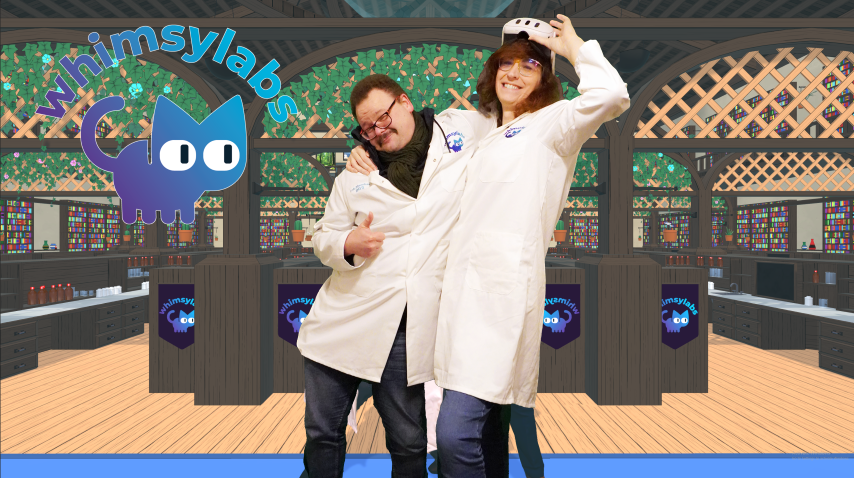
マリサ・フレンチ博士が2026年2月26日のPearson Immersive Practitioners' Communityウェビナーで講演します。VRがプロセス重視の評価を可能にし、AIによる不正行為を無意味にする方法について学びましょう。
AI cheating has become the defining headache of modern education. Students use ChatGPT to write essays. They use Wolfram Alpha to solve maths problems. They use any number of tools to generate work that looks like theirs but isn't. And teachers are exhausted.
プレミアムEdTechは裕福な学校だけのものであってはなりません。助成金と資金援助がどのように物理学に基づいた仮想ラボをすべての教室に届けられるかをご紹介します。
There's a pattern in educational technology that bothers us. The best tools tend to end up in schools that already have the most resources. Private schools with generous budgets get cutting-edge VR labs. State schools in affluent areas secure parent-funded extras. And everyone else? They make do with whatever's left in the budget.
なぜ物理学はシミュレーションに最適なのか、悪い物理シミュレーションが有害な理由、そして物理的に正確なエンジンがいかに学習を変革するか。
Physics has a reputation as one of the harder sciences. Abstract concepts, invisible forces, equations that seem disconnected from reality. Yet physics is also the science most perfectly suited to computer simulation. When a simulation engine gets the physics right, students don't just learn about Newton's laws. They experience them.
The problem is that most physics simulations don't get it right. And when they get it wrong, students learn the wrong intuitions. That's worse than not using simulations at all.
バーチャル生物実験室では、無制限の解剖練習、完璧な顕微鏡標本、すべての生徒へのアクセシビリティを提供します。バーチャル実習が実際の実験室作業をどのように補完するかを学びましょう。
Biology teachers face a unique set of challenges that physics and chemistry colleagues simply don't encounter. When you're teaching about the circulatory system, you can't just draw a diagram on the board and call it a day. Students need to see the structures, understand the spatial relationships, and ideally get their hands on real tissue. But that's where things get complicated.
The frog you ordered arrived decomposed. Half your class is too squeamish to touch it anyway. Your microscope slides are scratched, the bulbs keep blowing, and you've got exactly 45 minutes to help 30 students understand kidney structure before the bell rings. Sound familiar?
理科教育におけるAIチューターの可能性と限界についての現実的な考察。WhimsyCatがどのように技術を観察し、フラストレーションを検出し、教師をサポートするかをご紹介します。
If you've been to any education conference in the past two years, you've heard the pitch. AI tutors will revolutionise learning. Every student will have a personal tutor. Achievement gaps will close. Teachers will be freed from drudgery to focus on what matters.
2026年のバーチャルラボソフトウェアに関する包括的な購入ガイド。ソリューションの種類、評価基準を比較し、経営陣へのビジネスケースの作り方を学びます。
The virtual lab software market has transformed dramatically over the past five years. What began as a pandemic necessity has matured into a sophisticated sector with genuine pedagogical benefits that extend well beyond emergency remote learning.
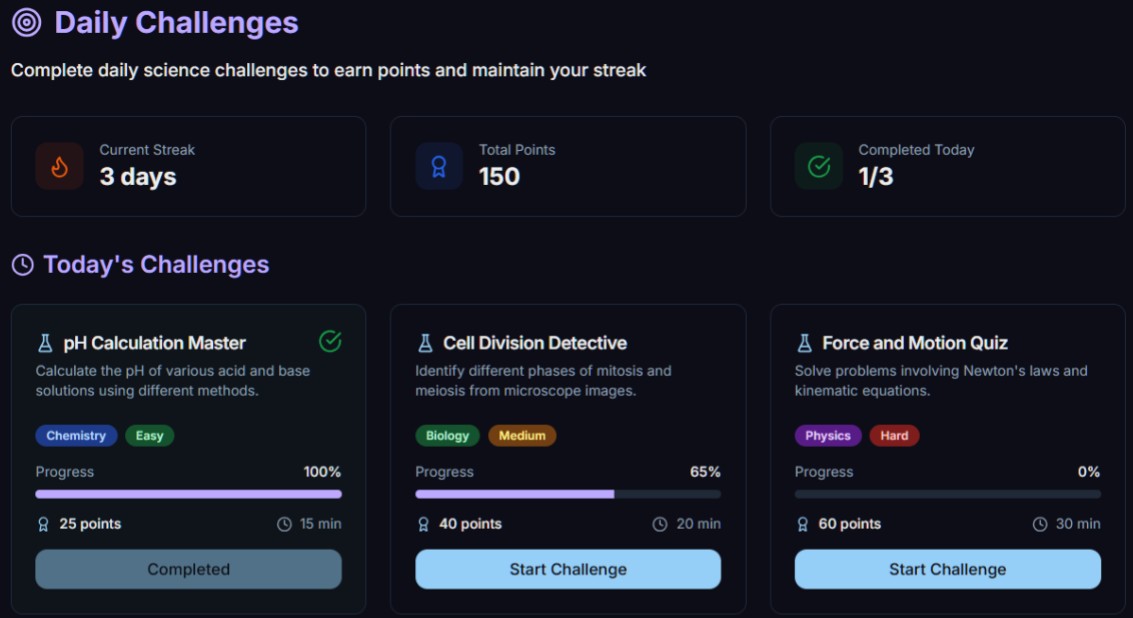
化学教師のための仮想実験室をカリキュラムに統合する実践ガイド。滴定、危険な反応、生徒がシミュレーションに慣れる方法を解説します。
You're a chemistry teacher. You know that practical work is essential for understanding. You also know the reality: limited lab time, expensive consumables, safety concerns, and thirty students who need individual attention you can't always give. Virtual chemistry labs won't solve all of that. But they can help more than you might expect.

学校の意思決定者向けの実践的な購入ガイド。仮想実験室ソフトウェアで重要な機能と、ベンダーに尋ねるべき質問を学びましょう。
Virtual lab software is no longer a nice-to-have. It's becoming essential infrastructure for science departments. But with dozens of options on the market, how do you choose the right one?
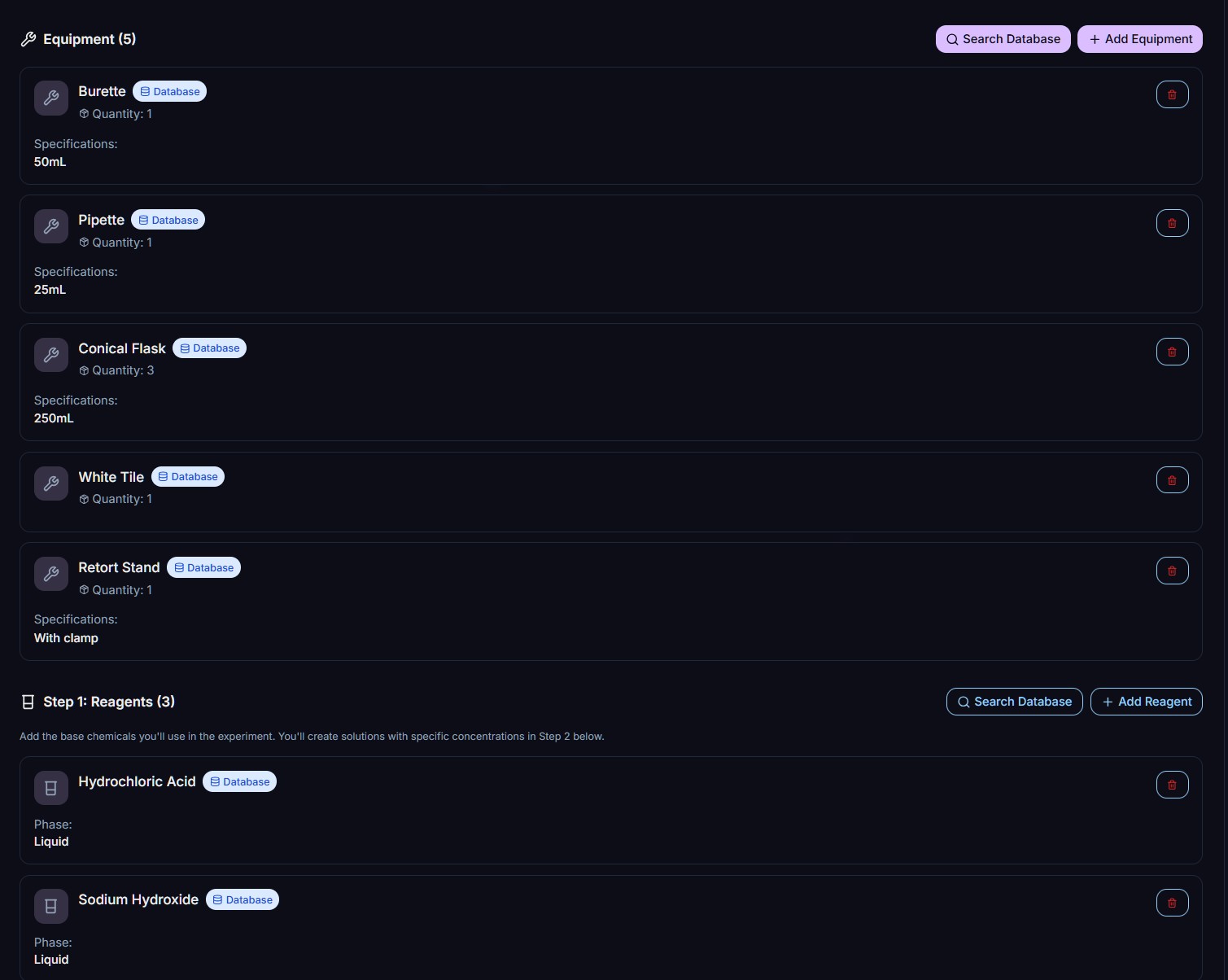
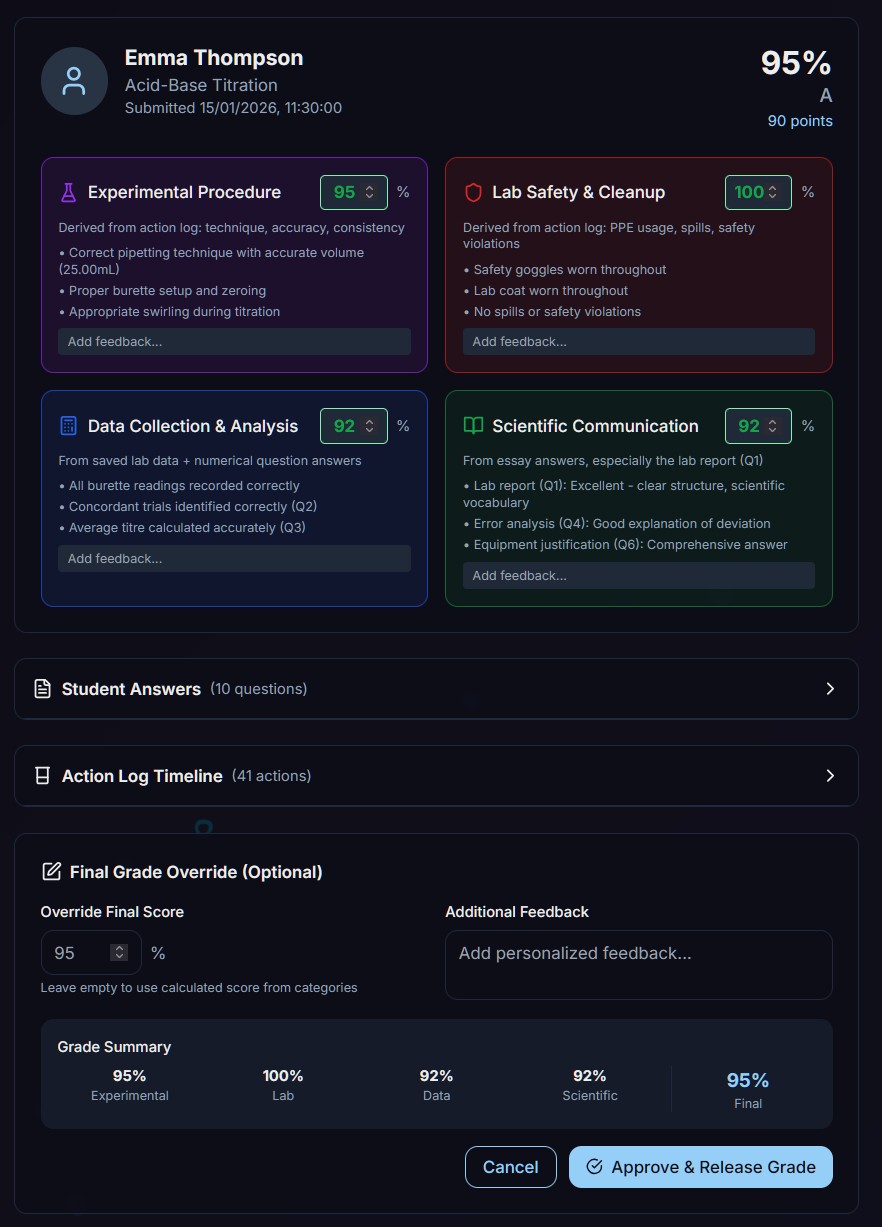
教師こそが生徒を最もよく知る真の専門家です。WhimsyLabsのカスタム実験デザイナーは、教師が独自の実験を設計すると、AIが理論セクション・手順ガイド・評価問題を自動生成。教師の専門性を尊重しながら教育テクノロジーの可能性を最大化します。
There's a concerning narrative in EdTech right now. New platforms promise to "revolutionise" education by automating what teachers do. AI will write your lessons. AI will grade your students. AI will personalise learning. The unspoken message is that teachers are the bottleneck, and technology is the solution.
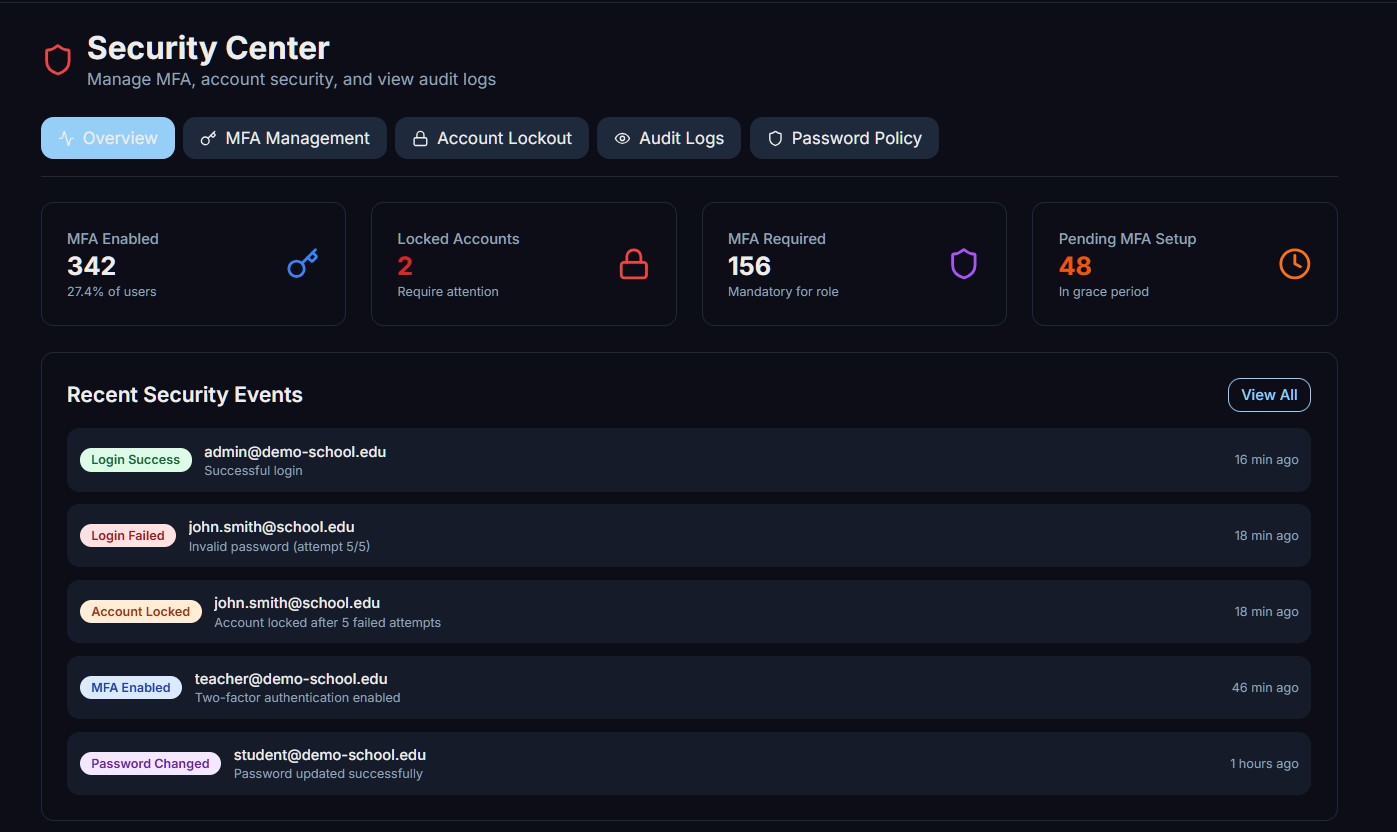
PowerSchoolデータ侵害事件で6,240万人の生徒と950万人の教育者の情報が流出。学校がEdTechベンダー選定時に確認すべき10の重要なセキュリティ質問を解説。SOC 2認証、MFA、データ保持ポリシーなど、契約前に必ず確認を。
In December 2024, PowerSchool suffered a massive data breach that exposed the personal information of approximately 62.4 million students and 9.5 million educators across North America (BleepingComputer, 2025). The breach happened because of a single compromised employee credential and a lack of multi-factor authentication on a critical support portal (TechTarget, 2025). Privacy regulators have since emphasised that schools bear responsibility for vetting their vendors' security practices.
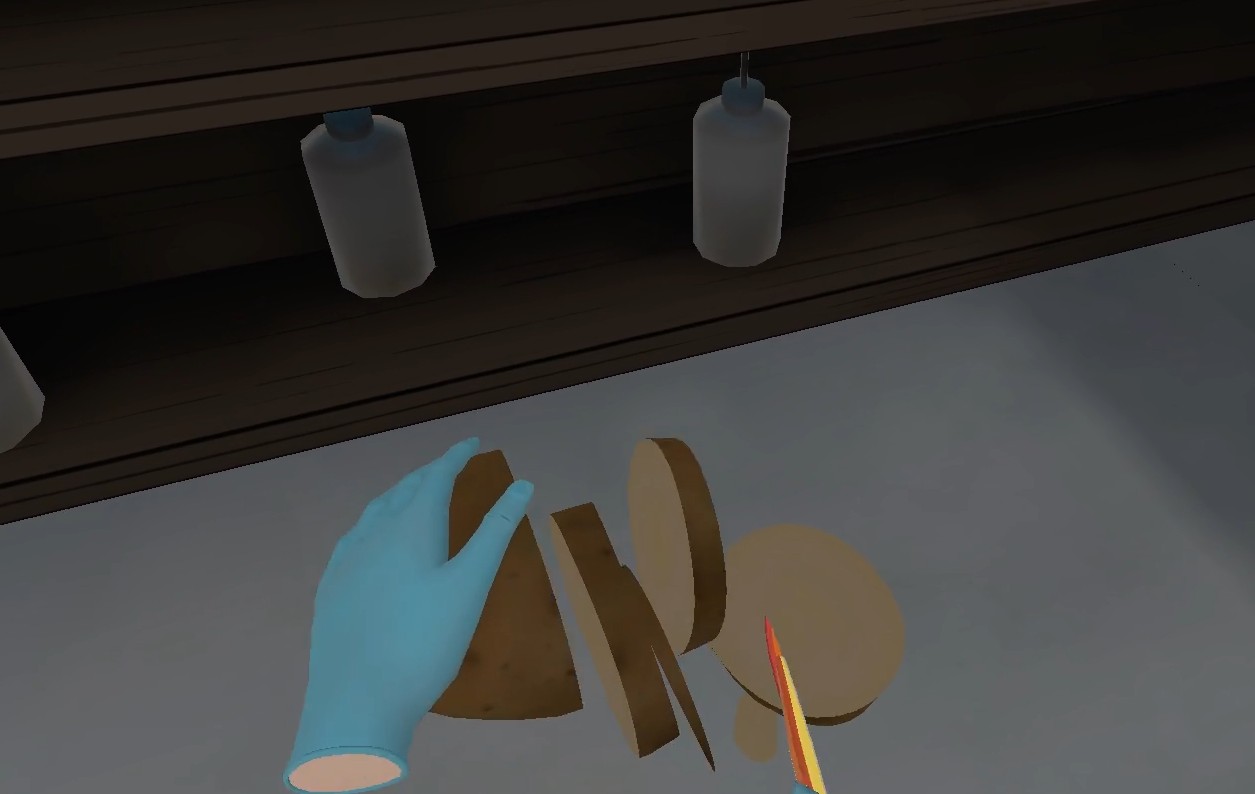
教育者の82%がAI不正を恐れていますが、検出ツールは失敗しています。プロセスベースの実践的評価がより良い道を提供します。
In December 2025, Pearson published a finding that surprised nobody who works in education: 82% of educators are concerned about students using GenAI to complete assignments. The institutional response has been predictable. Detection tools, surveillance software, and policies treating AI as something to catch and punish.
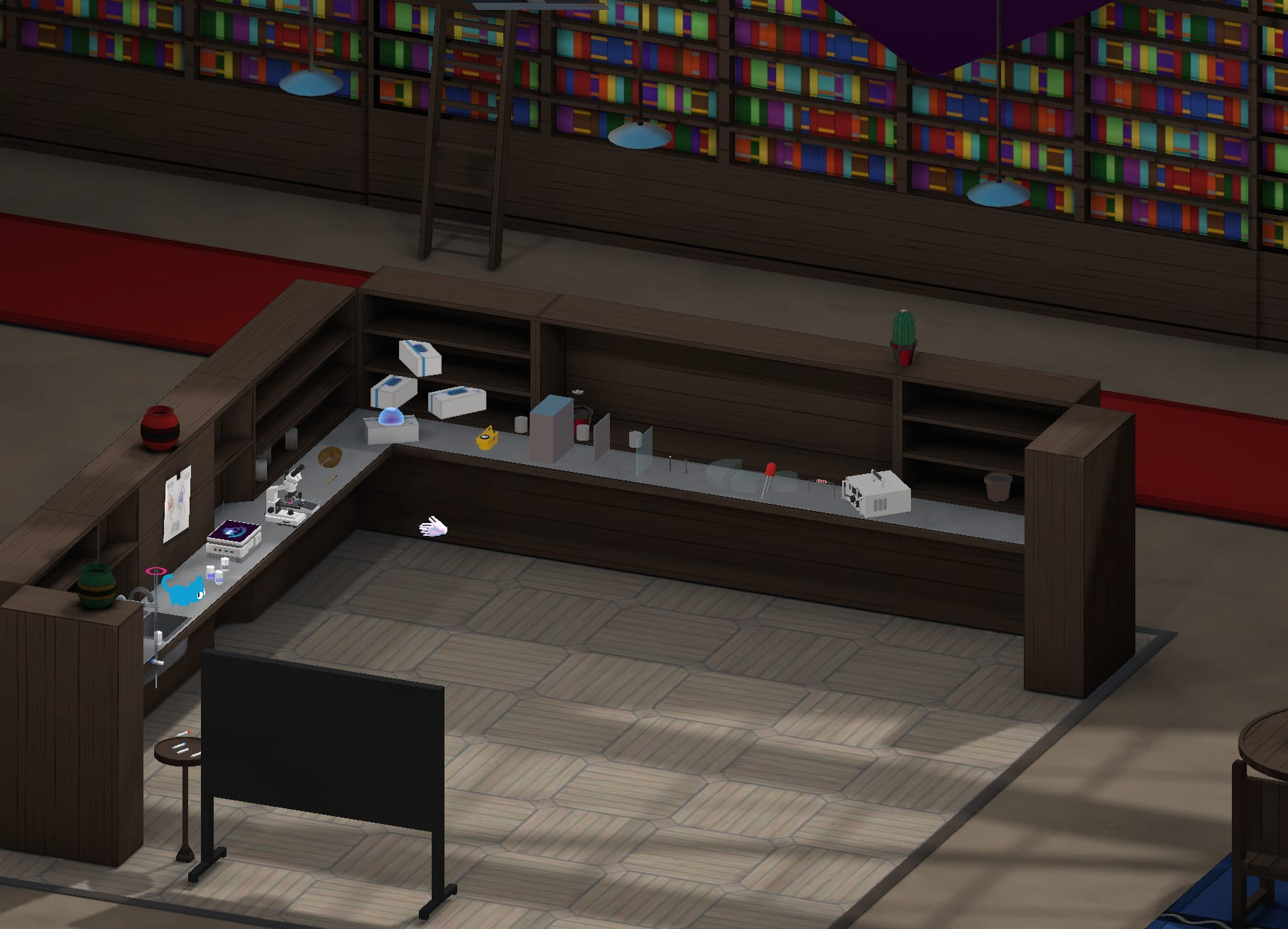
AIチューターでテスト点数が127%向上→AIなしでは17%低下。OECDデジタル教育アウトルック2026の「偽りの習熟」研究が示す懸念すべきパターンと、WhimsyLabsの実践的バーチャルラボが真の学習スキルを構築する理由を解説します。
The numbers seemed like a breakthrough: students using AI tutoring tools saw test scores rise by up to 127%. Schools celebrated. Headlines proclaimed the future of personalised learning had arrived.
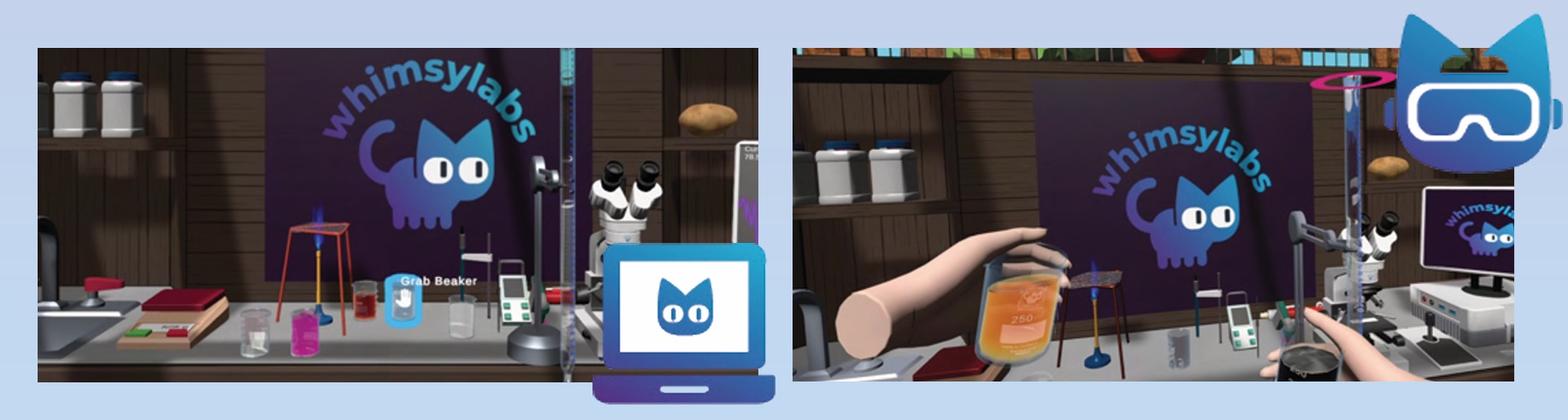
VRヘッドセット出荷台数が42.8%減少し「VRの冬」が到来。MetaがReality Labsスタッフを削減する中、学校はハードウェアサイクルに依存しない教育テクノロジーを必要としています。WhimsyLabsのウェブファースト仮想実験室が持続可能な選択である理由を解説。
Recent headlines have sent ripples through the education technology sector: Meta has reportedly cut around 10% of its Reality Labs workforce (UploadVR, 2026), the VR market shrank 12% in 2024 marking the third consecutive year of decline (CNBC, 2026), and industry analysts are now using phrases like "VR winter" to describe the current market conditions. For schools that invested heavily in VR hardware for science education, these developments raise uncomfortable questions about sustainability and future support.
WhimsyLabsがTech&Learning誌の「#1 Best of BETT 2026」を受賞!600社以上の出展者から第1位に選出され、物理ファーストの仮想実験室アプローチが世界最大のエドテックイベントで最高の教育テクノロジー製品として認められました。
Read the full article...
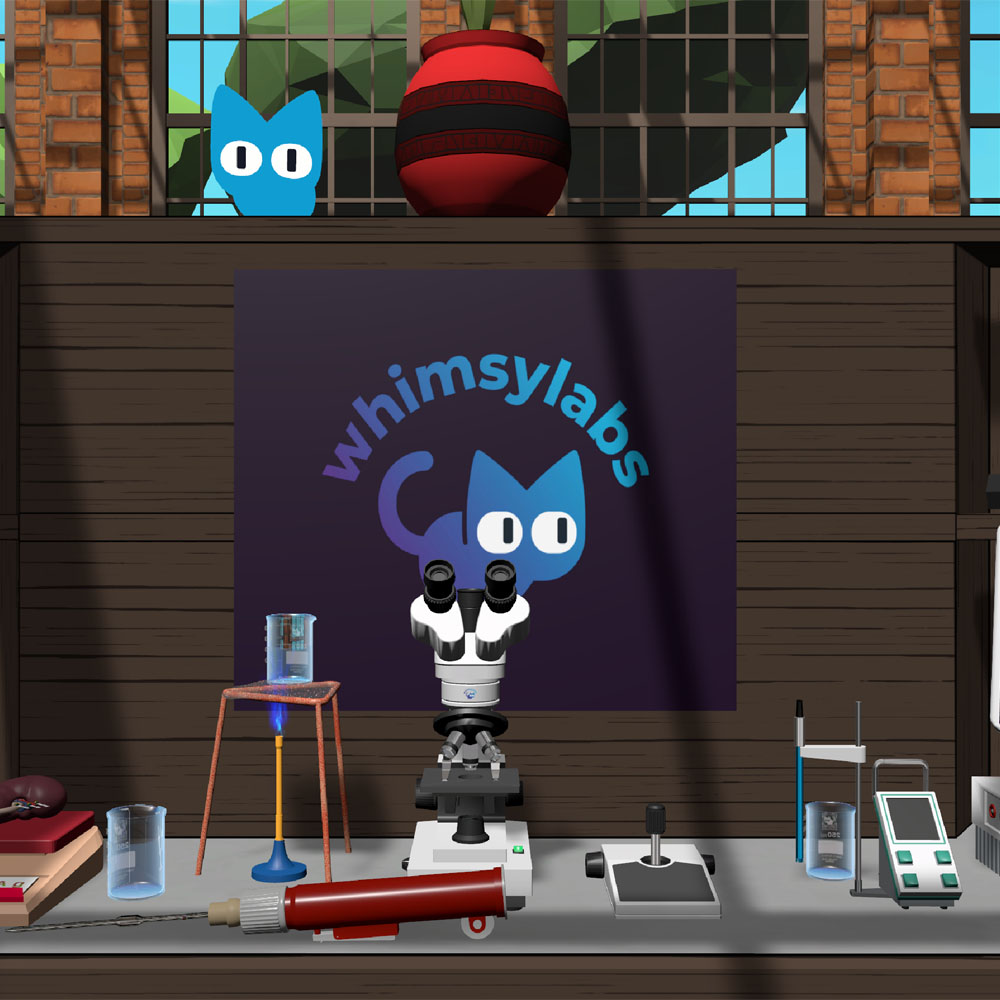
65%以上の大学教授が新入生の実践的スキル不足を報告しています。クリックスルー型スクリプト仮想実験室の根本的な限界と、WhimsyLabsのリアルタイム物理エンジンが創発的データと生産的失敗を通じて本格的なSTEM学習を実現する方法を解説。
Despite the rapid adoption of educational technology, a significant gap remains between virtual simulation and physical reality. Recent audits suggest that while 82% of institutions use some form of virtual laboratory software, over 65% of university professors report that first-year students lack essential practical skills, often attributing this to the "game-like" nature of preparatory software (Accettone et al., 2023). Authentic scientific inquiry requires more than watching an animation; it requires the chaotic, noisy, and unforgiving nature of the real world.
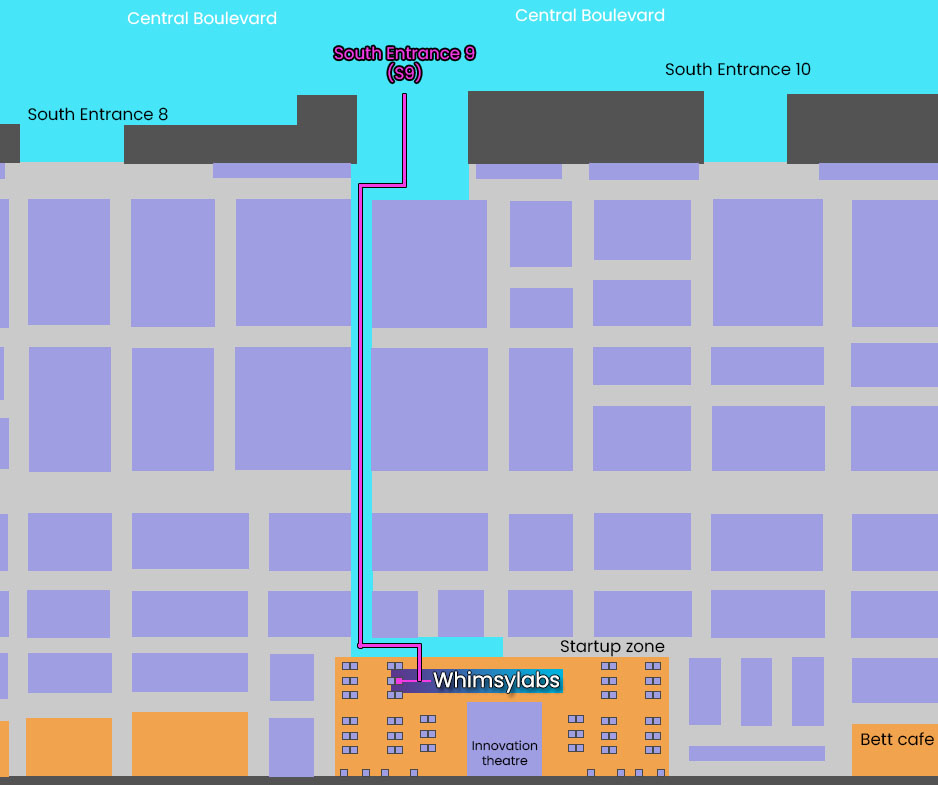
WhimsyLabsがBett UK 2026に出展!Kids Judge Bett受賞の翌年、さらに進化したバーチャル実験室プラットフォームをスタートアップゾーンFS10ブースで展示。1月21〜23日、ExCeL Londonでお会いしましょう。
I'm thrilled to announce that WhimsyLabs will be returning to Bett UK in January 2026! After our incredible experience at Bett 2025 where we won recognition from the Kids Judge Bett award, we're heading back to ExCel London to showcase what we've been building! This time, we'll be in the Startup Zone at stand FS10 in the South Stand, and I genuinely cannot wait to meet educators, students, and fellow innovators who share our passion for transforming STEM education.

評価のポイント、パーソナライズされた実験推奨、コスメティック報酬、実験のパーソナライゼーション、アート作成を含むWhimsyLabsの包括的な非収益化ゲーミフィケーションシステムが、社会的つながりを置き換えるのではなく強化する方法をご紹介します。
Gamification in education, applying game design elements to learning contexts, can increase student engagement by up to 48% when implemented thoughtfully (Sailer & Homner, 2023). However, poorly designed gamification often prioritizes superficial rewards over meaningful learning, creates unhealthy competition, or introduces monetization that creates pay-to-win dynamics. WhimsyLabs has pioneered a comprehensive, non-monetized gamification system that drives genuine engagement through intrinsic motivation while fostering school social networks rather than replacing them. Our approach combines points for assessments, personalized weekly recommendations, cosmetic rewards including WhimsyCat customization, lab personalization options, creative expression through our art department, and social features that encourage peer connection and support.
従来の学術シミュレーションは計算に数時間かかりますが、WhimsyLabsは基本的なChromebookでもリアルタイム物理シミュレーションを実現。ゲーム品質の応答性と科学的正確性を両立し、生徒が本当に楽しめる唯一の教育プラットフォームです。
Traditional academic simulations run on supercomputers and require hours or days to model seconds of real-world chemical reactions (Foster & Kesselman, 2003). WhimsyLabs has achieved what competitors deemed impossible: real-time physics simulations running on basic consumer hardware that are sophisticated enough for genuine scientific learning yet optimized enough to feel responsive and fun. This technical breakthrough: combining computational fluid dynamics, molecular interaction modeling, and gaming engine optimization, is why WhimsyLabs is by far the most sophisticated virtual laboratory platform available, and critically, one students genuinely enjoy using.
雇用主の70%以上が理科系卒業生の実践スキル不足を報告。WhimsyLabsが高精度VR物理シミュレーションと完全な探究学習の自由を通じて、実世界のSTEMキャリアに直結する実技スキル・手順的流暢さ・実験デザイン能力を育成する方法をご紹介します。
50-60% of employers report that science graduates lack essential practical laboratory skills, despite completing degree programs with traditional lab components (Anderson et al., 2021). The problem? Traditional education teaches students what to do in laboratories but fails to develop the physical muscle memory, procedural fluency, and experimental design capabilities that professional science demands. WhimsyLabs is the only virtual laboratory platform in the world that addresses this critical gap by teaching authentic physical movements through high-fidelity VR interaction and providing complete sandbox freedom for experimental design, skills that transfer directly to professional STEM careers.
従来の理科実験室は年間8〜12万ポンドのコストがかかります。WhimsyLabsのシミュレーション教材は85〜90%のコスト削減を実現し、無制限の実験アクセスを提供。社会的企業として教育格差解消とSTEM教育民主化に取り組む私たちの使命をご紹介。
A single traditional chemistry laboratory setup costs UK schools £25,000-£70,000 for initial equipment, with ongoing annual costs of £5,000-15,000 for consumables, maintenance, and safety compliance (CLEAPSS, 2024). A single fume cupboard alone costs £6,000-£8,300, while class sets of quality microscopes can exceed £5,000 (SLS Education, 2025). For under-resourced schools, these costs are prohibitive, and the situation is worsening. According to EngineeringUK research, 27% of UK science teachers report their schools cannot afford the equipment needed for practical lessons, while 26% say they simply don't have enough equipment (EngineeringUK, 2024). WhimsyLabs offers a transformative alternative: unlimited virtual laboratory access at a fraction of traditional costs. Critically, as an impact-focused company rather than a profit-driven company, our mission is democratizing STEM education worldwide, not maximizing shareholder returns. This comprehensive cost-benefit analysis demonstrates how virtual laboratories deliver superior educational and financial outcomes while advancing educational equity.
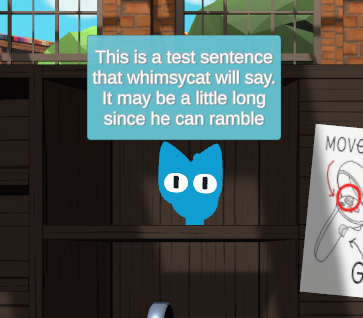
WhimsyLabsのAIチューターWhimsyCatに搭載された革新的なフラストレーション検出システムを探求。プレイヤーのアクション分析、VR視線追跡、エンゲージメントパターン監視を通じて、生徒が困難に直面した際にプロアクティブで共感的な感情サポートを提供。
Research shows that negative emotions like frustration are strongly negatively correlated with academic performance, with frustrated students experiencing significantly worse learning outcomes (Educational Psychology Review, 2025). Traditional classrooms struggle to identify struggling students quickly enough to intervene before frustration becomes disengagement. WhimsyCat, WhimsyLabs' advanced AI tutor, pioneers a revolutionary approach: detecting frustration in real-time through multi-modal analysis of player actions, gaze patterns, and engagement behaviors, then providing immediate, empathetic support that prevents learning breakdowns before they occur. One example of this is students shaking virtual beakers in frustration when experiments go wrong: by looking at the vector of the beaker you can infer if it was an accident, or an expression of frustration.
STEMで遅れた生徒の58%は完全に回復しません。WhimsyLabsの24時間対応AIチューターWhimsyCatと週次の個別化された実験推薦が、ポイント獲得ゲーミフィケーションを活用した低リスク練習で生徒の弱点を克服し、学習遅延を防ぐ仕組みをご紹介。
When students miss even a single class, even catching up can be challenging for model students.Research shows that 58% of students who fall behind in STEM subjects never fully recover (STAAR results, 2025). Whether due to illness, emergencies, or simply struggling with a complex concept, traditional classroom models offer limited opportunities for personalized catch-up support. WhimsyLabs solves this critical challenge through 24/7 AI tutoring combined with intelligent daily and weekly lab recommendations that target each student's specific weaknesses, providing unlimited low-stakes practice opportunities with gamified rewards that make skill development genuinely engaging.
英国では物理教師の採用率がわずか17%、教師の30%が5年以内に辞職。WhimsyLabsのAI搭載シミュレーション教材が、24時間対応チューターリングと自動評価で週3.5時間の教師負担を軽減し、STEM教師不足危機に対処する方法を探ります。
The UK faces a catastrophic STEM teacher shortage, with only 50% of the 26,360 secondary trainees needed recruited in 2022/23, while physics recruitment hit just 17.3% of targets (UK Parliament Education Committee, 2024). This crisis extends globally, with 48 countries reporting STEM teacher shortages and approximately 30% of teachers leaving within their first five years (Adams et al., 2025). WhimsyLabs, based in Edinburgh, UK, but serving schools worldwide, offers a transformative solution through AI-powered virtual laboratories that provide 24/7 intelligent tutoring and automated assessment, dramatically reducing teacher workload while improving learning outcomes.
従来の理科実験室は大学全体のエネルギー消費の60〜65%を占め、年間約550万トンものプラスチック廃棄物を生成。WhimsyLabsのシミュレーション教材が廃棄物ゼロ、エネルギー消費95%削減で国連SDGs目標達成に貢献する方法を探ります。
Traditional science laboratories carry a hidden environmental cost that few consider when discussing STEM education. Physical laboratories are responsible for 60-65% of a university's total energy consumption and produce an estimated 5.5 million tonnes of plastic waste annually, making them among the most resource-intensive educational environments (Urbinati et al., 2024). As educational institutions worldwide commit to carbon neutrality and sustainable practices, the environmental impact of laboratory-based learning has become impossible to ignore.
WhimsyLabs offers a transformative solution to this sustainability challenge through our fully virtual laboratory platform. By eliminating the need for physical chemicals, single-use plastics, energy-intensive equipment, and hazardous waste disposal, our virtual labs dramatically reduce the environmental footprint of science education while maintaining, and in many ways exceeding, the educational effectiveness of traditional laboratories.
WhimsyLabsのサンドボックス型探究学習が、安全な仮想実験環境での生産的失敗を通じて本物の科学的思考力を育成。オープンエンドの自由な実験環境で生徒が自由に探索し、試行錯誤から真の学びを得る革新的なSTEM教育アプローチをご紹介します。
Traditional science education often follows a rigid, step-by-step approach where students are guided through carefully controlled experiments with predetermined outcomes. While this methodology ensures consistent results, it fundamentally misrepresents how real science works. Authentic scientific discovery is messy, iterative, and frequently involves productive failure. According to research published in Learning: Research and Practice, students who experience and learn from failure through productive failure approaches develop stronger problem-solving skills and greater resilience than those who follow only successful paths (Kapur, 2015).
WhimsyLabs has pioneered a fundamentally different approach to science education through our sandbox learning philosophy. Unlike conventional virtual labs that restrict students to predetermined pathways, our platform provides complete experimental freedom with infinite possible equipment permutations and unlimited procedural pathways. This open-ended environment allows students to design their own experiments, make authentic choices, and, most importantly, learn from their mistakes in a safe, consequence-free setting.
WhimsyLabsの高度なAIチューター「WhimsyCat」が、生徒一人ひとりに個別化されたプロアクティブなガイダンスとリアルタイムフィードバックを24時間365日無制限で提供。適応的な学習経路で実験室教育を革新する仕組みをご紹介します。
With classroom ratios often exceeding 30:1, teachers simply cannot offer the individual attention each student needs during complex experimental procedures. According to systematic reviews of AI applications in education, the ability to provide personalized learning experiences that cater to unique learning styles and preferences is one of the key advantages of intelligent tutoring systems in addressing educational challenges (Hwang et al., 2023).
WhimsyLabs addresses this challenge through WhimsyCat, the most sophisticated AI tutor in virtual laboratory education, delivering unparalleled personalized guidance, real-time feedback, and adaptive learning pathways. Unlike basic educational AI systems that simply answer questions, WhimsyCat represents a breakthrough in proactive learning support, actively monitoring student actions, predicting potential errors before they occur, and delivering contextual guidance with industry-leading precision.
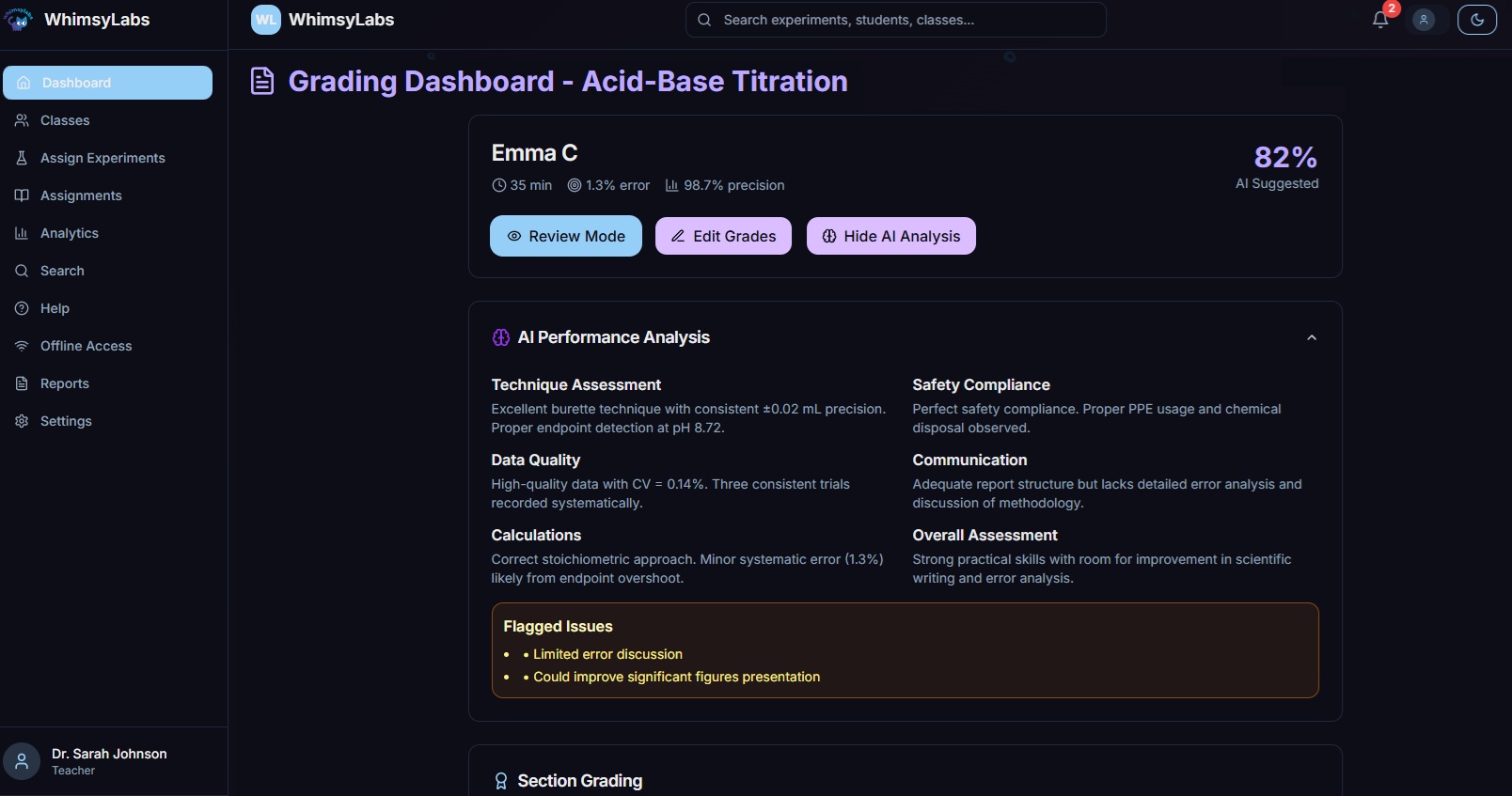
WhimsyLabsの革新的な仮想実験室プラットフォームは、高度なAI自動評価システム、リアルタイム物理シミュレーション、サンドボックス型探究学習を統合。世界中の生徒に質の高いSTEM教育へのアクセスを提供し、グローバルな教育格差の解消に貢献します。
The global science education landscape faces unprecedented challenges, with over 50% of students in low-income countries failing to achieve basic science proficiency according to UNESCO data. In the UK alone, 57% of science teachers report inadequate funding prevents them from running practical lessons, while the country faces a staggering £1.5 billion annual cost due to STEM talent shortages (UK Parliament POST, 2023). These statistics highlight a critical need for innovative solutions that can democratize access to high-quality science education globally.
WhimsyLabs addresses this crisis through a groundbreaking virtual laboratory platform that combines advanced AI assessment tools, realistic physics simulations, and sandbox learning environments. Unlike traditional virtual labs that restrict students to predetermined pathways, our platform enables genuine discovery-based learning with complete experimental freedom. Research demonstrates that such interactive, three-dimensional learning environments significantly improve spatial understanding and long-term retention compared to traditional textbook-based approaches (Lewis et al., 2014).
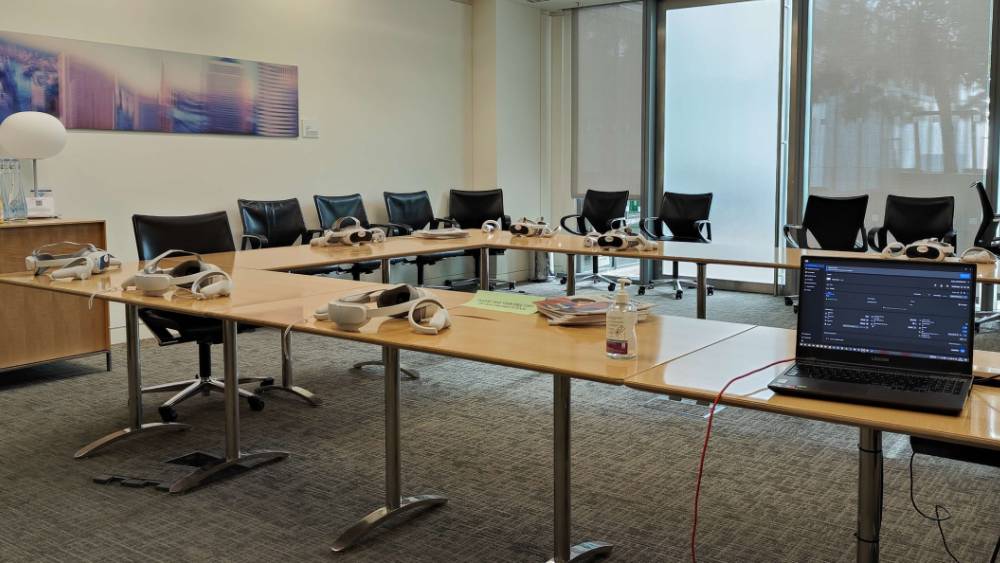
WhimsyLabsの仮想腎臓解剖VRシミュレーションが、視覚・聴覚・運動感覚を統合したマルチセンサリー学習環境と自己ペースでの自由な探索を通じて、SEND(特別支援教育ニーズ)生徒の教育成果とエンゲージメントを大幅に改善する方法を探ります。
The human kidney plays a vital role in maintaining homeostasis,filtering blood, balancing fluids and electrolytes, and removing waste. The kidneys process approximately 180 liters of filtrate daily, demonstrating the remarkable efficiency of these complex organs (Hall, 2015). Yet for many, the complexity of its internal structures can make it difficult to fully grasp how it functions. WhimsyLabs' cutting-edge virtual reality platform tackles this challenge through our industry-leading kidney dissection simulation, featuring advanced physically interactive dissection tools and sophisticated microscope simulation technology unmatched in the educational market.
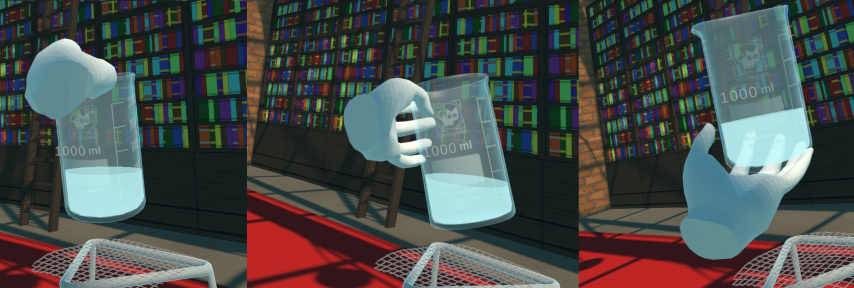
WhimsyLabsの画期的な液体物理学シミュレーションと手順トレーニングが、高精度VRによる没入型仮想実験室体験を通じて理科教育をどのように再定義し、生徒の実技スキルと実世界のSTEMキャリアで活かせる実践的なスキルを育成するかを探ります。
Research indicates that traditional computer-based simulations often fail to engage students meaningfully, as they lack the authentic decision-making and problem-solving experiences of real laboratory work (de Jong et al., 2013). Most existing virtual lab solutions act as glorified animations or guided walkthroughs, restricting students to predetermined steps rather than allowing them to experiment freely. This fundamental limitation prevents students from developing the authentic procedural skills and muscle memory essential for real-world laboratory work.
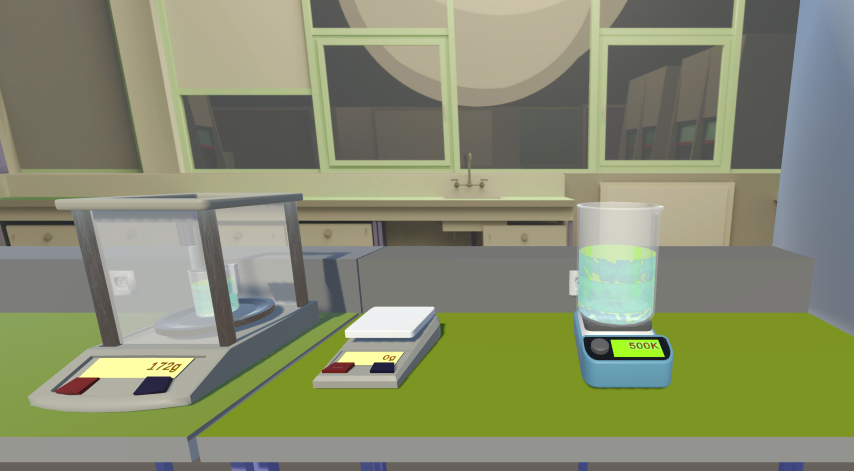
2020年にMarisa French博士が設立したWhimsyLabsの創業ストーリー。COVID-19パンデミック中の理科教育危機から生まれ、独自物理エンジンとフルシミュレーション型教材でBETT 2025受賞へと成長した軌跡をご紹介します。
In 2023, the UK plummeted to 15th place in global science rankings (OECD, 2023), while the pandemic left millions of students worldwide without hands-on lab access for years (Grewenig et al., 2021). This perfect storm of declining STEM performance and infrastructure loss catalyzed the creation of Whimsylabs in 2020, founded by Marisa French during her Physics PhD. For Marisa, this crisis felt deeply personal; she had been inspired to pursue science through the hands-on practicals she experienced in secondary school, opportunities that were now disappearing for a new generation.