Virtual Lab & STEM Education Blog | WhimsyLabs

Expert insights on virtual laboratories, AI-powered learning, and innovative STEM education. Discover research-backed strategies and practical guides for science educators.

All Blog Posts

94% des étudiants utilisent l'IA — et ce n'est pas le problème

L'enquête HEPI 2026 montre une utilisation quasi universelle de l'IA parmi les étudiants britanniques. La véritable crise n'est pas l'utilisation de l'IA elle-même, mais le fait que nous continuons à évaluer des résultats que l'IA peut facilement produire. L'évaluation basée sur les processus offre une solution.

Read the full article...

Continue reading "94% des étudiants utilisent l'IA — et ce n'est ..." →

Étude VR : la technologie sans pédagogie ne suffit pas

Une étude de Frontiers in Virtual Reality a suivi l'usage de la VR sur tout un semestre en neuroanatomie. Le constat ? Les enseignants comprenaient le potentiel de la VR mais manquaient de savoir pédagogique. Voici ce dont les laboratoires virtuels ont vraiment besoin pour fonctionner.

Most research on virtual reality in education looks at short bursts: a 20-minute intervention here, a one-hour session there. These snapshots tell us whether students find VR engaging (they usually do) and whether they remember content immediately afterward (they usually do). But what happens when VR becomes a regular part of a course, week after week, for an entire semester?

A new study published in Frontiers in Virtual Reality (Wu, Klassen & White, 2026) answers that question with a semester-long ethnographic study of VR in undergraduate neuroanatomy. The findings are illuminating, and for anyone building or purchasing educational technology, they carry an important message: having impressive technology is not enough.

Continue reading "Étude VR : la technologie sans pédagogie ne suf..." →

Les critiques ont raison : la plupart des EdTech sont inutiles

Les écoles américaines ont dépensé 30 milliards de dollars en EdTech en 2024. Les critiques affirment que c'est du gaspillage. Ils ont raison concernant le temps d'écran passif. Mais les laboratoires virtuels qui font vraiment FAIRE de la science aux élèves ? C'est une tout autre histoire.

"Is education technology mostly useless?" asks The Economist. "Kids Spend Hours in School on Screens. And for What?" echoes Bloomberg.

Ouch.

Continue reading "Les critiques ont raison : la plupart des EdTec..." →
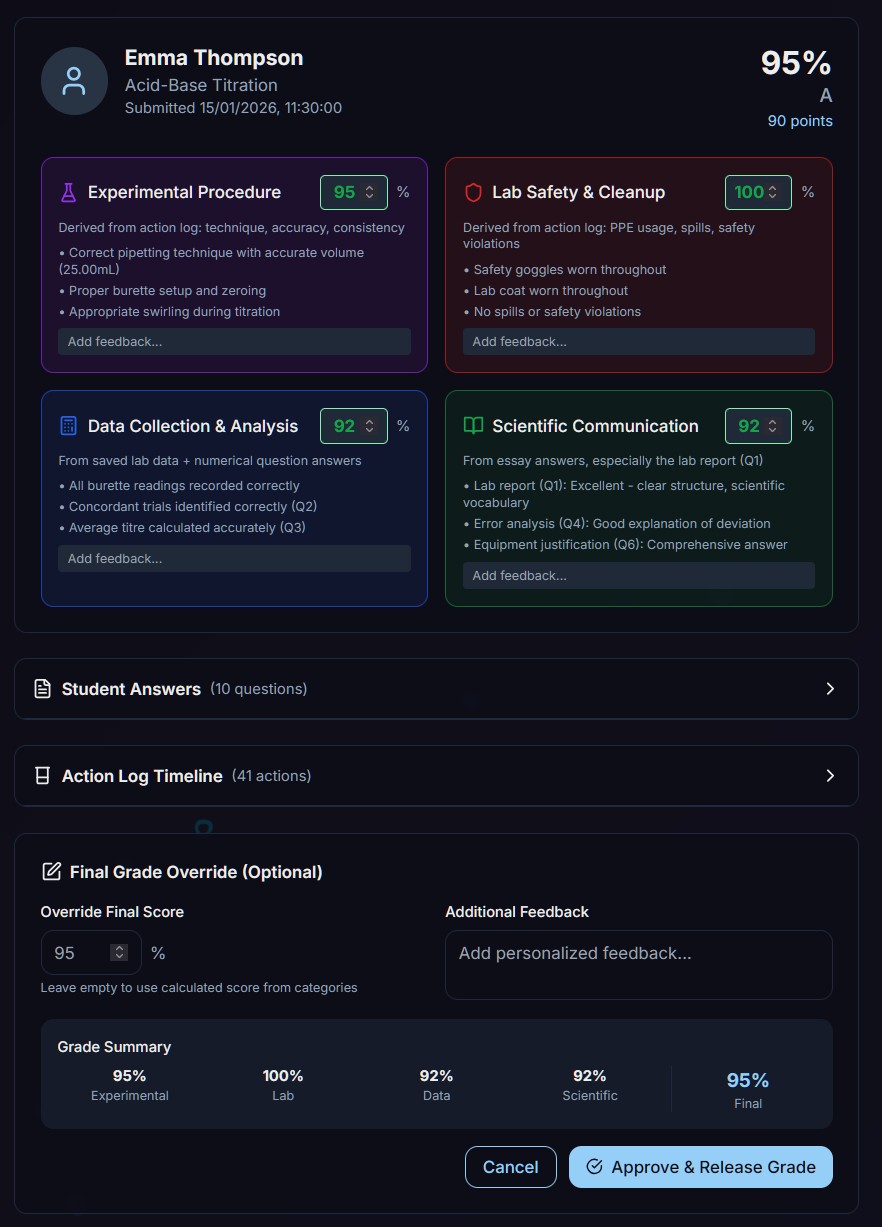
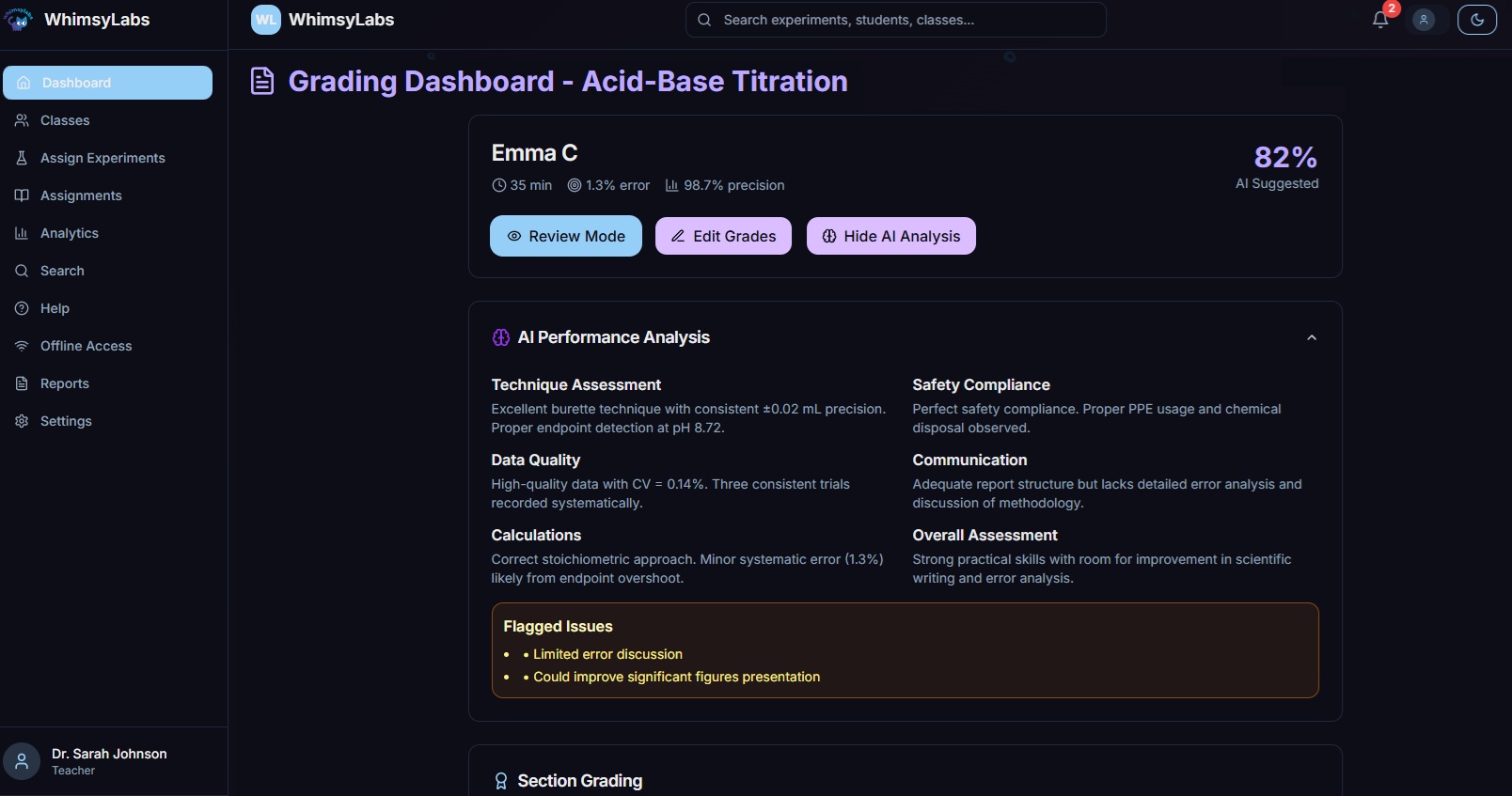
Teacher grading dashboard showing AI assessment overview and audit trail

L'évaluation à l'ère de l'IA : Rejoignez notre webinaire Pearson

Dr Marisa French intervient lors du webinaire de la communauté des praticiens de l'immersif de Pearson le 26 février 2026. Découvrez comment la RV permet une évaluation axée sur le processus qui rend la triche par IA obsolète.

AI cheating has become the defining headache of modern education. Students use ChatGPT to write essays. They use Wolfram Alpha to solve maths problems. They use any number of tools to generate work that looks like theirs but isn't. And teachers are exhausted.

Continue reading "L'évaluation à l'ère de l'IA : Rejoignez notre ..." →
Students from diverse schools using WhimsyLabs virtual science lab

Rendre l'éducation scientifique premium accessible à toutes les écoles

L'EdTech premium ne devrait pas être réservée aux écoles aisées. Découvrez comment les subventions et les financements peuvent apporter des laboratoires virtuels avec physique précise dans chaque classe.

There's a pattern in educational technology that bothers us. The best tools tend to end up in schools that already have the most resources. Private schools with generous budgets get cutting-edge VR labs. State schools in affluent areas secure parent-funded extras. And everyone else? They make do with whatever's left in the budget.

Continue reading "Rendre l'éducation scientifique premium accessi..." →

Labo Virtuel de Physique : Simulations qui Enseignent

Pourquoi la physique est idéalement adaptée à la simulation, ce qui rend les mauvaises simulations de physique nuisibles, et comment un moteur physiquement précis transforme l'apprentissage.

Physics has a reputation as one of the harder sciences. Abstract concepts, invisible forces, equations that seem disconnected from reality. Yet physics is also the science most perfectly suited to computer simulation. When a simulation engine gets the physics right, students don't just learn about Newton's laws. They experience them.

The problem is that most physics simulations don't get it right. And when they get it wrong, students learn the wrong intuitions. That's worse than not using simulations at all.

Continue reading "Labo Virtuel de Physique : Simulations qui Ense..." →

Laboratoire Virtuel de Biologie : Dissections, Microscopie et Plus

Les laboratoires virtuels de biologie offrent une pratique illimitée de la dissection, des spécimens parfaits pour la microscopie et l'accessibilité pour tous les étudiants. Découvrez comment les travaux pratiques virtuels complètent le travail en laboratoire réel.

Biology teachers face a unique set of challenges that physics and chemistry colleagues simply don't encounter. When you're teaching about the circulatory system, you can't just draw a diagram on the board and call it a day. Students need to see the structures, understand the spatial relationships, and ideally get their hands on real tissue. But that's where things get complicated.

The frog you ordered arrived decomposed. Half your class is too squeamish to touch it anyway. Your microscope slides are scratched, the bulbs keep blowing, and you've got exactly 45 minutes to help 30 students understand kidney structure before the bell rings. Sound familiar?

Continue reading "Laboratoire Virtuel de Biologie : Dissections, ..." →
WhimsyCat AI tutor helping a student in a virtual science lab

Tuteurs IA en sciences dans la classe : ce qui fonctionne vraiment

Un regard réaliste sur ce que les tuteurs IA peuvent et ne peuvent pas faire dans l'enseignement des sciences. Découvrez comment WhimsyCat observe les techniques, détecte la frustration et soutient les enseignants.

If you've been to any education conference in the past two years, you've heard the pitch. AI tutors will revolutionise learning. Every student will have a personal tutor. Achievement gaps will close. Teachers will be freed from drudgery to focus on what matters.

Continue reading "Tuteurs IA en sciences dans la classe : ce qui ..." →
Teacher and students using virtual lab software on tablets and computers

Laboratoires Virtuels dans l'Enseignement Supérieur : Guide 2026

Un guide d'achat complet pour les logiciels de laboratoire virtuel en 2026. Comparez les types de solutions, les critères d'évaluation et apprenez à présenter le cas commercial à la direction.

The virtual lab software market has transformed dramatically over the past five years. What began as a pandemic necessity has matured into a sophisticated sector with genuine pedagogical benefits that extend well beyond emergency remote learning.

Continue reading "Laboratoires Virtuels dans l'Enseignement Supér..." →
Student performing a virtual titration in WhimsyLabs chemistry simulation

Laboratoire Virtuel de Chimie : Guide Complet pour les Enseignants

Un guide pratique pour les professeurs de chimie sur l'intégration des laboratoires virtuels dans votre programme. Couvre les titrages, les réactions dangereuses et comment familiariser les élèves avec les simulations.

You're a chemistry teacher. You know that practical work is essential for understanding. You also know the reality: limited lab time, expensive consumables, safety concerns, and thirty students who need individual attention you can't always give. Virtual chemistry labs won't solve all of that. But they can help more than you might expect.

Continue reading "Laboratoire Virtuel de Chimie : Guide Complet p..." →
Teacher evaluating virtual lab software options on laptop

Logiciel de Laboratoire Virtuel pour le Secondaire : Guide d'Achat

Un guide d'achat pratique pour les décideurs scolaires. Découvrez les fonctionnalités importantes dans les logiciels de laboratoire virtuel et les questions à poser aux fournisseurs.

Virtual lab software is no longer a nice-to-have. It's becoming essential infrastructure for science departments. But with dozens of options on the market, how do you choose the right one?

Continue reading "Logiciel de Laboratoire Virtuel pour le Seconda..." →
Science teacher using WhimsyLabs custom experiment designer on tablet

Les Enseignants Sont les Experts. Nous Créons les Outils.

Découvrez comment WhimsyLabs donne le contrôle total aux enseignants avec un concepteur d'expériences personnalisé pour leurs élèves.

There's a concerning narrative in EdTech right now. New platforms promise to "revolutionise" education by automating what teachers do. AI will write your lessons. AI will grade your students. AI will personalise learning. The unspoken message is that teachers are the bottleneck, and technology is the solution.

Continue reading "Les Enseignants Sont les Experts. Nous Créons l..." →
School administrator reviewing EdTech vendor security documentation

10 Questions EdTech Après la Violation PowerSchool

Après la violation PowerSchool exposant des millions d'élèves, les écoles doivent vérifier les fournisseurs EdTech. 10 questions essentielles.

In December 2024, PowerSchool suffered a massive data breach that exposed the personal information of approximately 62.4 million students and 9.5 million educators across North America (BleepingComputer, 2025). The breach happened because of a single compromised employee credential and a lack of multi-factor authentication on a critical support portal (TechTarget, 2025). Privacy regulators have since emphasised that schools bear responsibility for vetting their vendors' security practices.

Continue reading "10 Questions EdTech Après la Violation PowerSchool" →
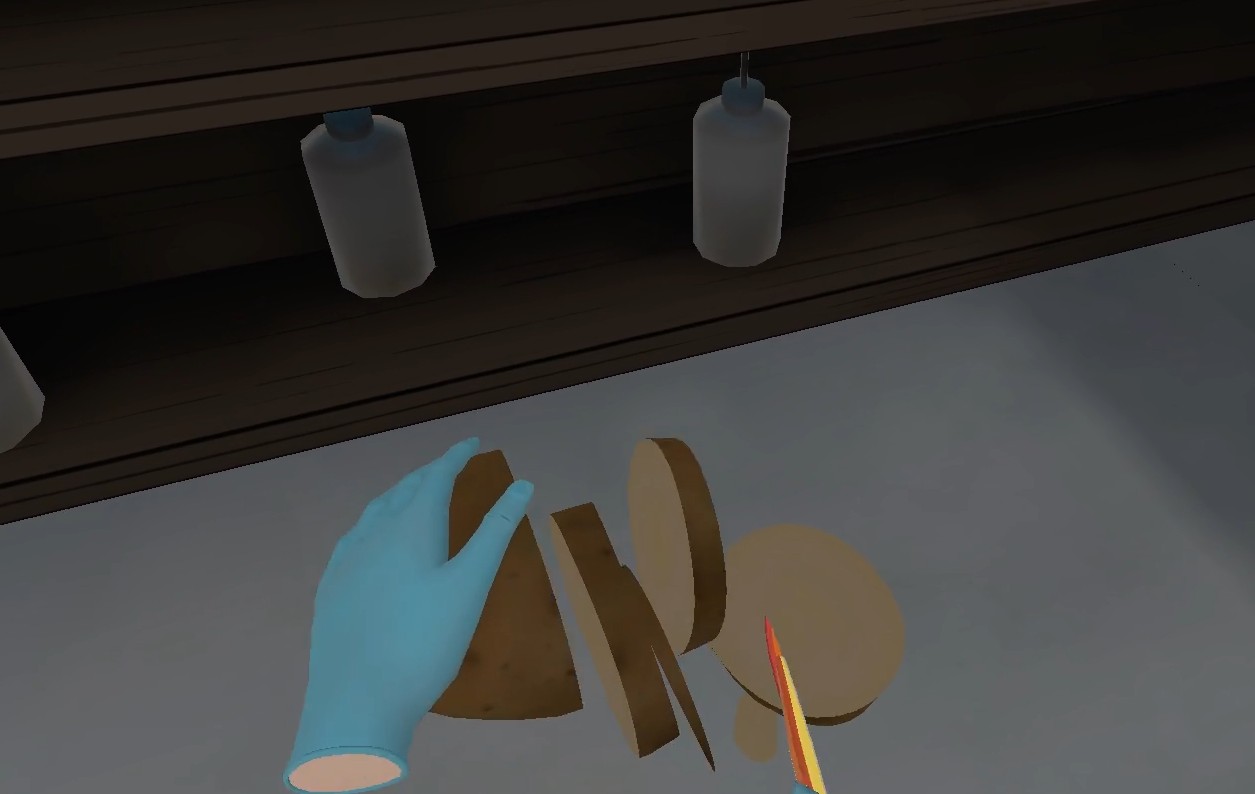
Student performing practical assessment in virtual lab, in this example the student is cutting a potato for use with microbiology experiments

Détection IA inefficace : L'évaluation par processus fonctionne

82% des éducateurs craignent la triche par IA, mais les outils de détection échouent. L'évaluation pratique basée sur les processus offre une meilleure voie.

In December 2025, Pearson published a finding that surprised nobody who works in education: 82% of educators are concerned about students using GenAI to complete assignments. The institutional response has been predictable. Detection tools, surveillance software, and policies treating AI as something to catch and punish.

Continue reading "Détection IA inefficace : L'évaluation par proc..." →
WhimsyLabs running on multiple devices including Chromebook, desktop, and VR headset

Hiver de la RV ? Pourquoi les Labos Web-First Gagnent

Avec la baisse des ventes de casques RV, les écoles ont besoin de technologie indépendante du matériel. Les labos web-first sont durables.

Recent headlines have sent ripples through the education technology sector: Meta has reportedly cut around 10% of its Reality Labs workforce (UploadVR, 2026), the VR market shrank 12% in 2024 marking the third consecutive year of decline (CNBC, 2026), and industry analysts are now using phrases like "VR winter" to describe the current market conditions. For schools that invested heavily in VR hardware for science education, these developments raise uncomfortable questions about sustainability and future support.

Continue reading "Hiver de la RV ? Pourquoi les Labos Web-First G..." →
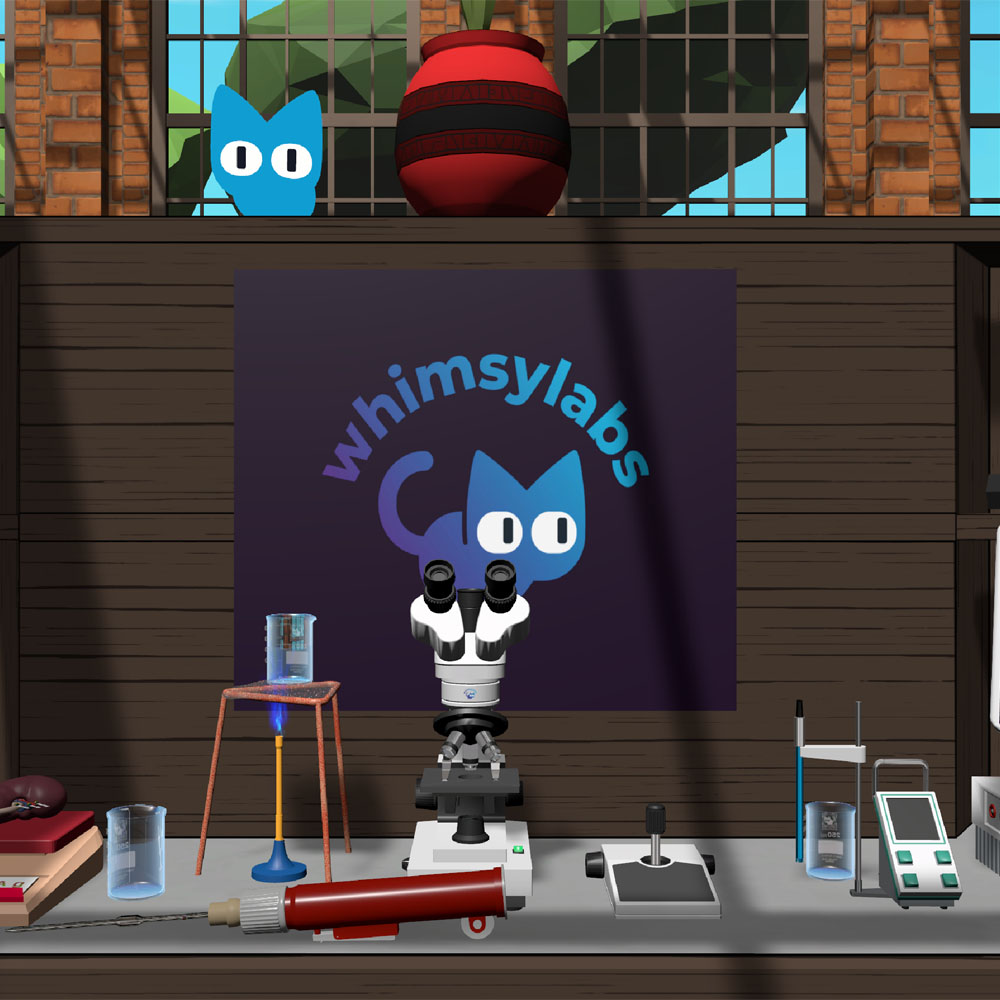
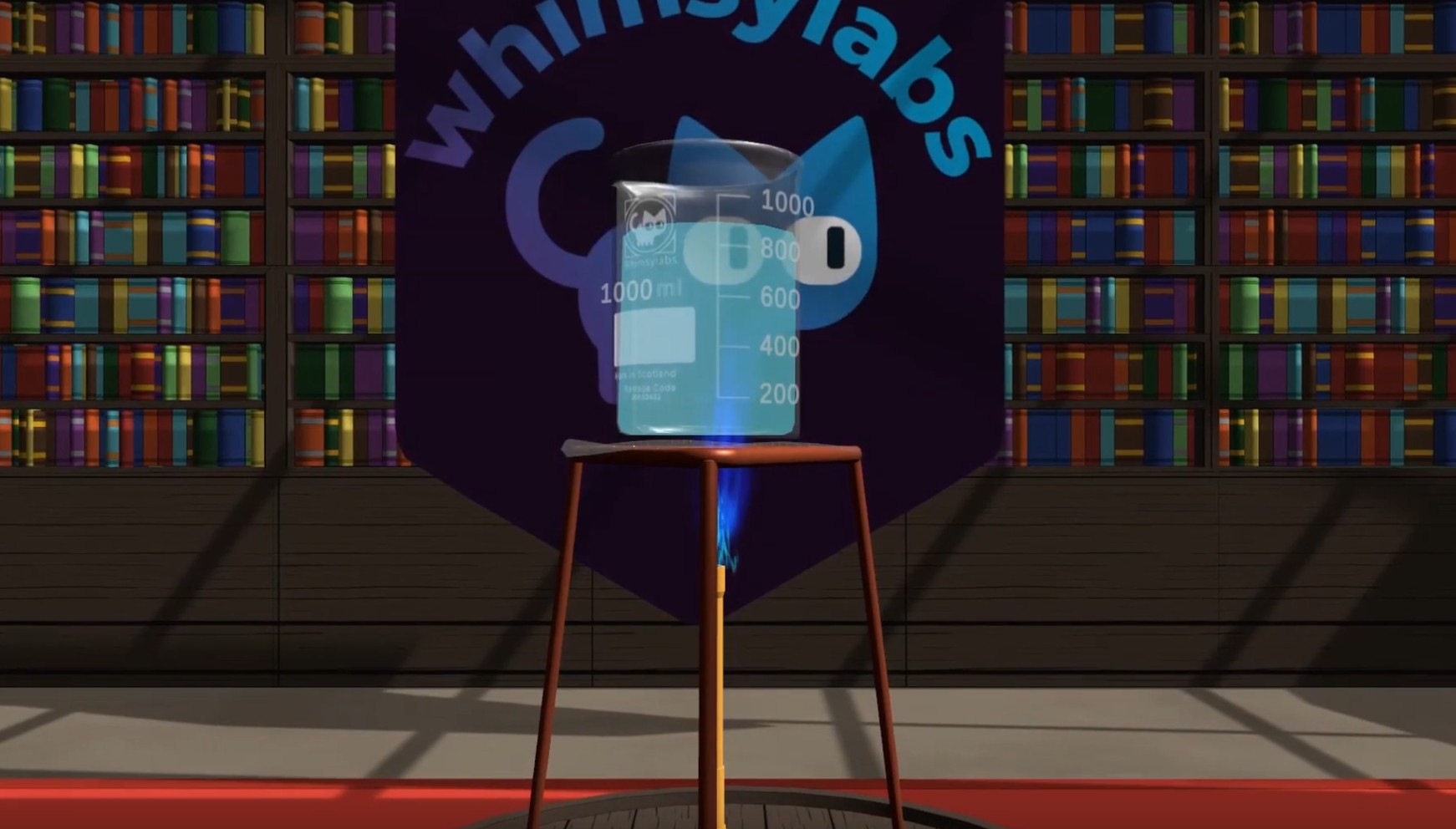
WhimsyLabs virtual laboratory showing a microscope, pH meter, pipette pump, scale with kidney, and beaker being heated over a Bunsen burner while WhimsyCat observes from above

Pourquoi les labos virtuels échouent : La solution physique

Les labos virtuels scriptés ne développent pas de vraies compétences pratiques. Le moteur physique WhimsyLabs offre une meilleure solution.

Despite the rapid adoption of educational technology, a significant gap remains between virtual simulation and physical reality. Recent audits suggest that while 82% of institutions use some form of virtual laboratory software, over 65% of university professors report that first-year students lack essential practical skills, often attributing this to the "game-like" nature of preparatory software (Accettone et al., 2023). Authentic scientific inquiry requires more than watching an animation; it requires the chaotic, noisy, and unforgiving nature of the real world.

Continue reading "Pourquoi les labos virtuels échouent : La solut..." →
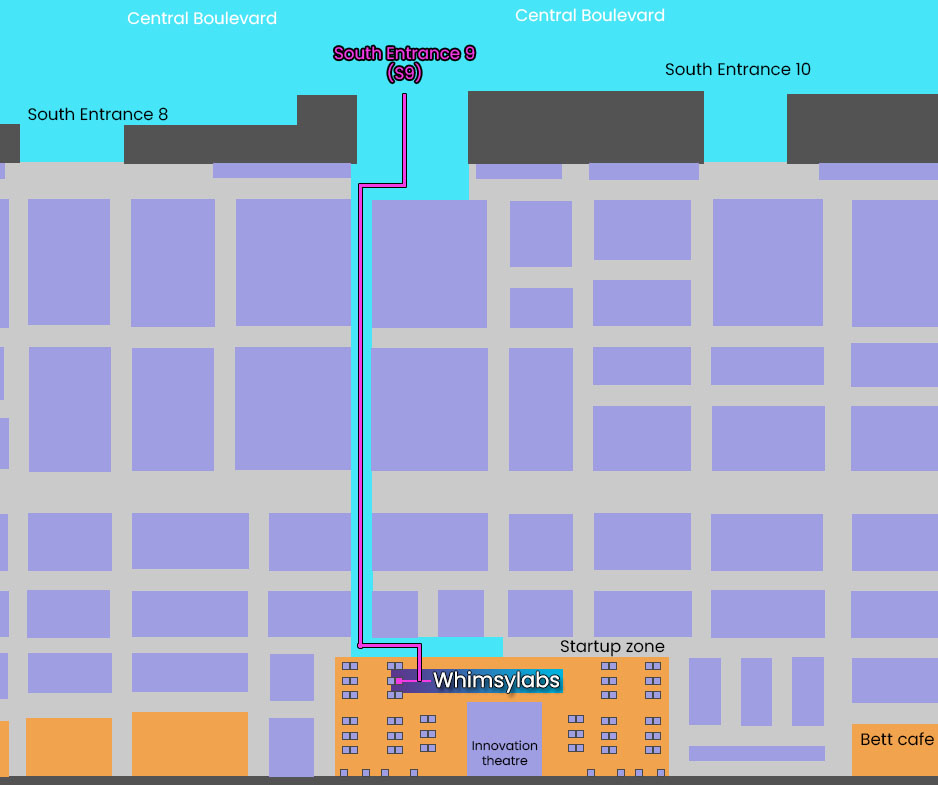
Map to WhimsyLabs booth at Bett exhibition

Nous exposons au Bett 2026 : Rejoignez-nous à Londres

WhimsyLabs revient au Bett UK 2026 dans la Startup Zone pour présenter notre laboratoire virtuel primé. Rendez-vous au stand FS10.

I'm thrilled to announce that WhimsyLabs will be returning to Bett UK in January 2026! After our incredible experience at Bett 2025 where we won recognition from the Kids Judge Bett award, we're heading back to ExCel London to showcase what we've been building! This time, we'll be in the Startup Zone at stand FS10 in the South Stand, and I genuinely cannot wait to meet educators, students, and fellow innovators who share our passion for transforming STEM education.

Continue reading "Nous exposons au Bett 2026 : Rejoignez-nous à L..." →
WhimsyCat AI tutor with various cosmetic outfits

Gamification: Points, Récompenses et Expression Créative

Le système de gamification non monétisé de WhimsyLabs avec points, récompenses et personnalisation renforce les connexions sociales.

Gamification in education, applying game design elements to learning contexts, can increase student engagement by up to 48% when implemented thoughtfully (Sailer & Homner, 2023). However, poorly designed gamification often prioritizes superficial rewards over meaningful learning, creates unhealthy competition, or introduces monetization that creates pay-to-win dynamics. WhimsyLabs has pioneered a comprehensive, non-monetized gamification system that drives genuine engagement through intrinsic motivation while fostering school social networks rather than replacing them. Our approach combines points for assessments, personalized weekly recommendations, cosmetic rewards including WhimsyCat customization, lab personalization options, creative expression through our art department, and social features that encourage peer connection and support.

Continue reading "Gamification: Points, Récompenses et Expression..." →

Simulations Physiques Temps Réel : Apprentissage Dynamique

Comment la physique temps réel de WhimsyLabs crée des labos virtuels sophistiqués et amusants avec les principes du gaming.

Traditional academic simulations run on supercomputers and require hours or days to model seconds of real-world chemical reactions (Foster & Kesselman, 2003). WhimsyLabs has achieved what competitors deemed impossible: real-time physics simulations running on basic consumer hardware that are sophisticated enough for genuine scientific learning yet optimized enough to feel responsive and fun. This technical breakthrough: combining computational fluid dynamics, molecular interaction modeling, and gaming engine optimization, is why WhimsyLabs is by far the most sophisticated virtual laboratory platform available, and critically, one students genuinely enjoy using.

Continue reading "Simulations Physiques Temps Réel : Apprentissag..." →

VR Prépare aux Carrières STEM avec Compétences Labo

WhimsyLabs enseigne les mouvements physiques authentiques et la conception expérimentale grâce à des simulations VR avancées.

50-60% of employers report that science graduates lack essential practical laboratory skills, despite completing degree programs with traditional lab components (Anderson et al., 2021). The problem? Traditional education teaches students what to do in laboratories but fails to develop the physical muscle memory, procedural fluency, and experimental design capabilities that professional science demands. WhimsyLabs is the only virtual laboratory platform in the world that addresses this critical gap by teaching authentic physical movements through high-fidelity VR interaction and providing complete sandbox freedom for experimental design, skills that transfer directly to professional STEM careers.

Continue reading "VR Prépare aux Carrières STEM avec Compétences ..." →
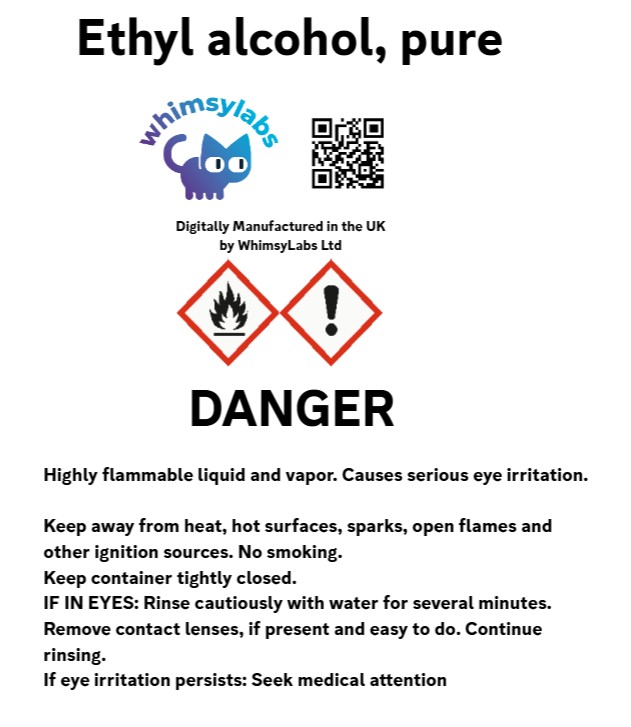
Whimsylabs virtual lab demonstrating chemical hazard handling with safety labels on chemical containers

Labos Virtuels vs. Physiques: Analyse Coûts-Avantages

Analyse coûts-avantages complète entre labos physiques et virtuels WhimsyLabs pour démocratiser l'éducation STEM mondiale.

A single traditional chemistry laboratory setup costs UK schools £25,000-£70,000 for initial equipment, with ongoing annual costs of £5,000-15,000 for consumables, maintenance, and safety compliance (CLEAPSS, 2024). A single fume cupboard alone costs £6,000-£8,300, while class sets of quality microscopes can exceed £5,000 (SLS Education, 2025). For under-resourced schools, these costs are prohibitive, and the situation is worsening. According to EngineeringUK research, 27% of UK science teachers report their schools cannot afford the equipment needed for practical lessons, while 26% say they simply don't have enough equipment (EngineeringUK, 2024). WhimsyLabs offers a transformative alternative: unlimited virtual laboratory access at a fraction of traditional costs. Critically, as an impact-focused company rather than a profit-driven company, our mission is democratizing STEM education worldwide, not maximizing shareholder returns. This comprehensive cost-benefit analysis demonstrates how virtual laboratories deliver superior educational and financial outcomes while advancing educational equity.

Continue reading "Labos Virtuels vs. Physiques: Analyse Coûts-Ava..." →
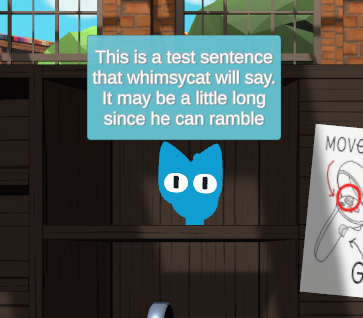
WhimsyCat AI tutor displaying a test message to demonstrate its communication capabilities

IA Émotionnelle: WhimsyCat Détecte la Frustration

Le système de détection de frustration de WhimsyCat surveille les actions et le regard pour un soutien émotionnel proactif.

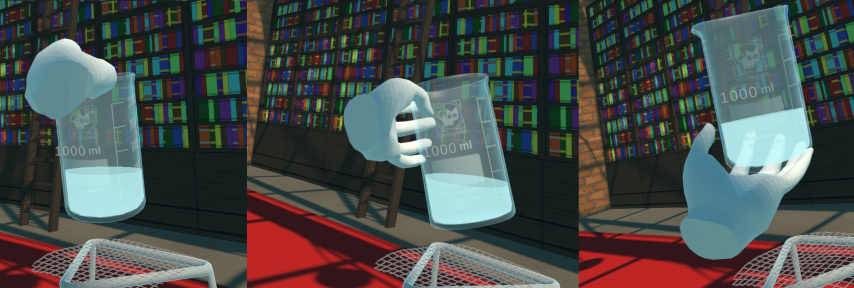
Research shows that negative emotions like frustration are strongly negatively correlated with academic performance, with frustrated students experiencing significantly worse learning outcomes (Educational Psychology Review, 2025). Traditional classrooms struggle to identify struggling students quickly enough to intervene before frustration becomes disengagement. WhimsyCat, WhimsyLabs' advanced AI tutor, pioneers a revolutionary approach: detecting frustration in real-time through multi-modal analysis of player actions, gaze patterns, and engagement behaviors, then providing immediate, empathetic support that prevents learning breakdowns before they occur. One example of this is students shaking virtual beakers in frustration when experiments go wrong: by looking at the vector of the beaker you can infer if it was an accident, or an expression of frustration.

Continue reading "IA Émotionnelle: WhimsyCat Détecte la Frustration" →
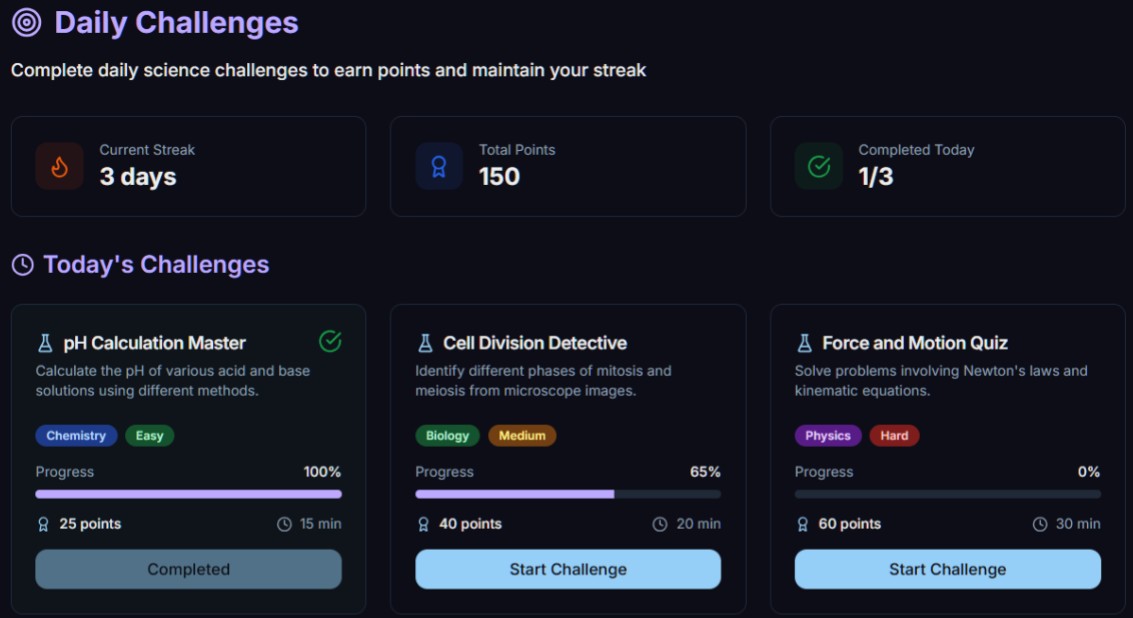
Student dashboard showing the challenges section with personalized lab recommendations

Tutorat IA 24/7 : Recommandations Personnalisées

Découvrez comment les recommandations IA de WhimsyLabs aident les élèves à maîtriser leurs faiblesses par la pratique ludifiée.

When students miss even a single class, even catching up can be challenging for model students.Research shows that 58% of students who fall behind in STEM subjects never fully recover (STAAR results, 2025). Whether due to illness, emergencies, or simply struggling with a complex concept, traditional classroom models offer limited opportunities for personalized catch-up support. WhimsyLabs solves this critical challenge through 24/7 AI tutoring combined with intelligent daily and weekly lab recommendations that target each student's specific weaknesses, providing unlimited low-stakes practice opportunities with gamified rewards that make skill development genuinely engaging.

Continue reading "Tutorat IA 24/7 : Recommandations Personnalisées" →
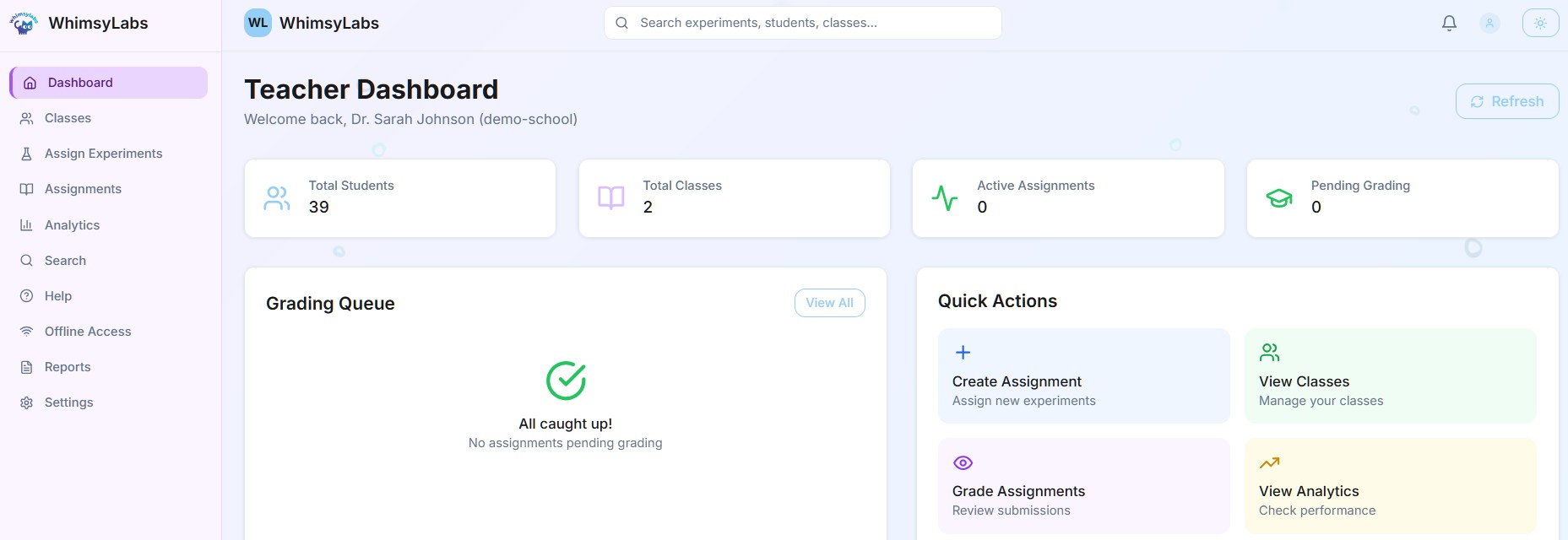
Teacher dashboard in light mode

Labos Virtuels Résolvent la Pénurie d'Enseignants STEM

Comment les labos virtuels IA de WhimsyLabs répondent à la pénurie d'enseignants STEM avec tutorat 24/7 et évaluation automatisée.

The UK faces a catastrophic STEM teacher shortage, with only 50% of the 26,360 secondary trainees needed recruited in 2022/23, while physics recruitment hit just 17.3% of targets (UK Parliament Education Committee, 2024). This crisis extends globally, with 48 countries reporting STEM teacher shortages and approximately 30% of teachers leaving within their first five years (Adams et al., 2025). WhimsyLabs, based in Edinburgh, UK, but serving schools worldwide, offers a transformative solution through AI-powered virtual laboratories that provide 24/7 intelligent tutoring and automated assessment, dramatically reducing teacher workload while improving learning outcomes.

Continue reading "Labos Virtuels Résolvent la Pénurie d'Enseignan..." →
Virtual lab experiment showing sustainability

Labos Verts : Durabilité dans l'Enseignement STEM

Comment WhimsyLabs répond à la crise environnementale des labos traditionnels et fait progresser le développement durable.

Traditional science laboratories carry a hidden environmental cost that few consider when discussing STEM education. Physical laboratories are responsible for 60-65% of a university's total energy consumption and produce an estimated 5.5 million tonnes of plastic waste annually, making them among the most resource-intensive educational environments (Urbinati et al., 2024). As educational institutions worldwide commit to carbon neutrality and sustainable practices, the environmental impact of laboratory-based learning has become impossible to ignore.

WhimsyLabs offers a transformative solution to this sustainability challenge through our fully virtual laboratory platform. By eliminating the need for physical chemicals, single-use plastics, energy-intensive equipment, and hazardous waste disposal, our virtual labs dramatically reduce the environmental footprint of science education while maintaining, and in many ways exceeding, the educational effectiveness of traditional laboratories.

Continue reading "Labos Verts : Durabilité dans l'Enseignement STEM" →
A student boiling ethanol, very dangerous!

Apprentissage Sandbox : La Liberté d'Échouer en STEM

L'approche d'exploration ouverte de WhimsyLabs transforme l'éducation en embrassant l'échec comme outil d'apprentissage.

Traditional science education often follows a rigid, step-by-step approach where students are guided through carefully controlled experiments with predetermined outcomes. While this methodology ensures consistent results, it fundamentally misrepresents how real science works. Authentic scientific discovery is messy, iterative, and frequently involves productive failure. According to research published in Learning: Research and Practice, students who experience and learn from failure through productive failure approaches develop stronger problem-solving skills and greater resilience than those who follow only successful paths (Kapur, 2015).

WhimsyLabs has pioneered a fundamentally different approach to science education through our sandbox learning philosophy. Unlike conventional virtual labs that restrict students to predetermined pathways, our platform provides complete experimental freedom with infinite possible equipment permutations and unlimited procedural pathways. This open-ended environment allows students to design their own experiments, make authentic choices, and, most importantly, learn from their mistakes in a safe, consequence-free setting.

Continue reading "Apprentissage Sandbox : La Liberté d'Échouer en..." →
whimsycat!

WhimsyCat : Le Tuteur IA pour l'Éducation Scientifique

Découvrez comment WhimsyCat fournit des conseils personnalisés, des commentaires en temps réel et des parcours adaptatifs pour l'éducation.

With classroom ratios often exceeding 30:1, teachers simply cannot offer the individual attention each student needs during complex experimental procedures. According to systematic reviews of AI applications in education, the ability to provide personalized learning experiences that cater to unique learning styles and preferences is one of the key advantages of intelligent tutoring systems in addressing educational challenges (Hwang et al., 2023).

WhimsyLabs addresses this challenge through WhimsyCat, the most sophisticated AI tutor in virtual laboratory education, delivering unparalleled personalized guidance, real-time feedback, and adaptive learning pathways. Unlike basic educational AI systems that simply answer questions, WhimsyCat represents a breakthrough in proactive learning support, actively monitoring student actions, predicting potential errors before they occur, and delivering contextual guidance with industry-leading precision.

Continue reading "WhimsyCat : Le Tuteur IA pour l'Éducation Scien..." →
Teacher grading dashboard

Labos Virtuels IA Résolvent la Crise Éducative STEM

WhimsyLabs combine évaluation IA, simulations physiques réalistes et apprentissage sandbox pour démocratiser l'éducation scientifique.

The global science education landscape faces unprecedented challenges, with over 50% of students in low-income countries failing to achieve basic science proficiency according to UNESCO data. In the UK alone, 57% of science teachers report inadequate funding prevents them from running practical lessons, while the country faces a staggering £1.5 billion annual cost due to STEM talent shortages (UK Parliament POST, 2023). These statistics highlight a critical need for innovative solutions that can democratize access to high-quality science education globally.

WhimsyLabs addresses this crisis through a groundbreaking virtual laboratory platform that combines advanced AI assessment tools, realistic physics simulations, and sandbox learning environments. Unlike traditional virtual labs that restrict students to predetermined pathways, our platform enables genuine discovery-based learning with complete experimental freedom. Research demonstrates that such interactive, three-dimensional learning environments significantly improve spatial understanding and long-term retention compared to traditional textbook-based approaches (Lewis et al., 2014).

Continue reading "Labos Virtuels IA Résolvent la Crise Éducative ..." →
Participants engaging with the WhimsyLabs kidney dissection at Barclays Headquarters

Dissection Virtuelle de Rein et Engagement SEND

Découvrez comment l'interaction physique de WhimsyLabs améliore les résultats éducatifs et l'engagement des étudiants SEND.

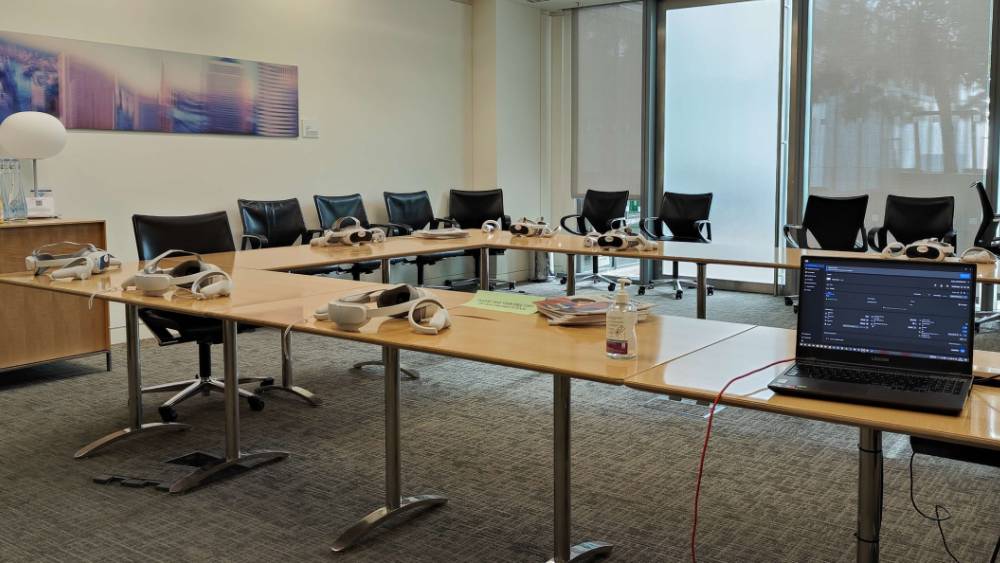
The human kidney plays a vital role in maintaining homeostasis,filtering blood, balancing fluids and electrolytes, and removing waste. The kidneys process approximately 180 liters of filtrate daily, demonstrating the remarkable efficiency of these complex organs (Hall, 2015). Yet for many, the complexity of its internal structures can make it difficult to fully grasp how it functions. WhimsyLabs' cutting-edge virtual reality platform tackles this challenge through our industry-leading kidney dissection simulation, featuring advanced physically interactive dissection tools and sophisticated microscope simulation technology unmatched in the educational market.

Continue reading "Dissection Virtuelle de Rein et Engagement SEND" →
360 hand grab wowee

Physicalité des Labos Virtuels : Au-Delà des Simulations

Explorer comment la physique des liquides révolutionnaire de WhimsyLabs et la formation procédurale redéfinissent l'éducation scientifique.

Research indicates that traditional computer-based simulations often fail to engage students meaningfully, as they lack the authentic decision-making and problem-solving experiences of real laboratory work (de Jong et al., 2013). Most existing virtual lab solutions act as glorified animations or guided walkthroughs, restricting students to predetermined steps rather than allowing them to experiment freely. This fundamental limitation prevents students from developing the authentic procedural skills and muscle memory essential for real-world laboratory work.

Continue reading "Physicalité des Labos Virtuels : Au-Delà des Si..." →
First mockup lab

Histoire de WhimsyLabs : De débuts modestes à BETT 2025

Comment WhimsyLabs aborde les défis STEM avec des laboratoires simulés, des partenariats impactants et une innovation primée BETT 2025.

In 2023, the UK plummeted to 15th place in global science rankings (OECD, 2023), while the pandemic left millions of students worldwide without hands-on lab access for years (Grewenig et al., 2021). This perfect storm of declining STEM performance and infrastructure loss catalyzed the creation of Whimsylabs in 2020, founded by Marisa French during her Physics PhD. For Marisa, this crisis felt deeply personal; she had been inspired to pursue science through the hands-on practicals she experienced in secondary school, opportunities that were now disappearing for a new generation.

Continue reading "Histoire de WhimsyLabs : De débuts modestes à B..." →