Expert insights on virtual laboratories, AI-powered learning, and innovative STEM education. Discover research-backed strategies and practical guides for science educators.
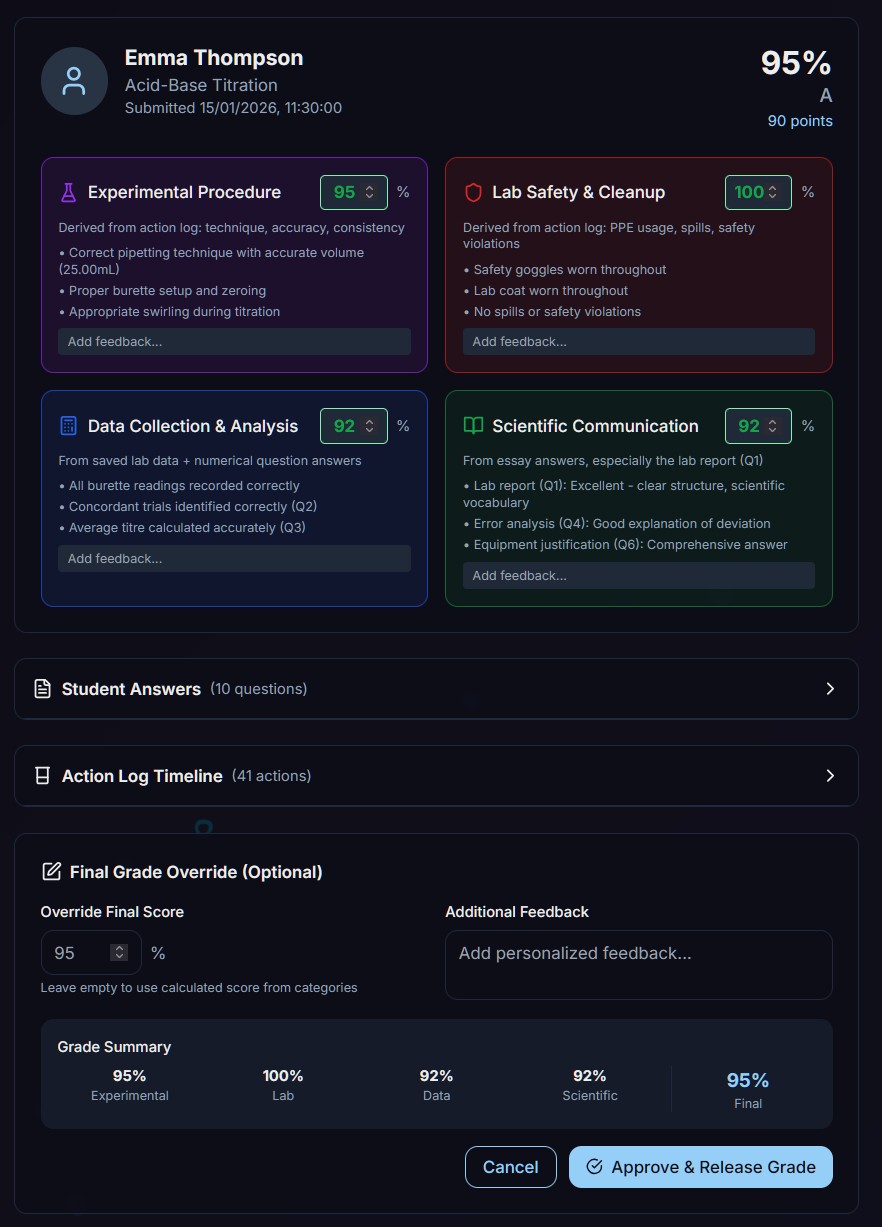
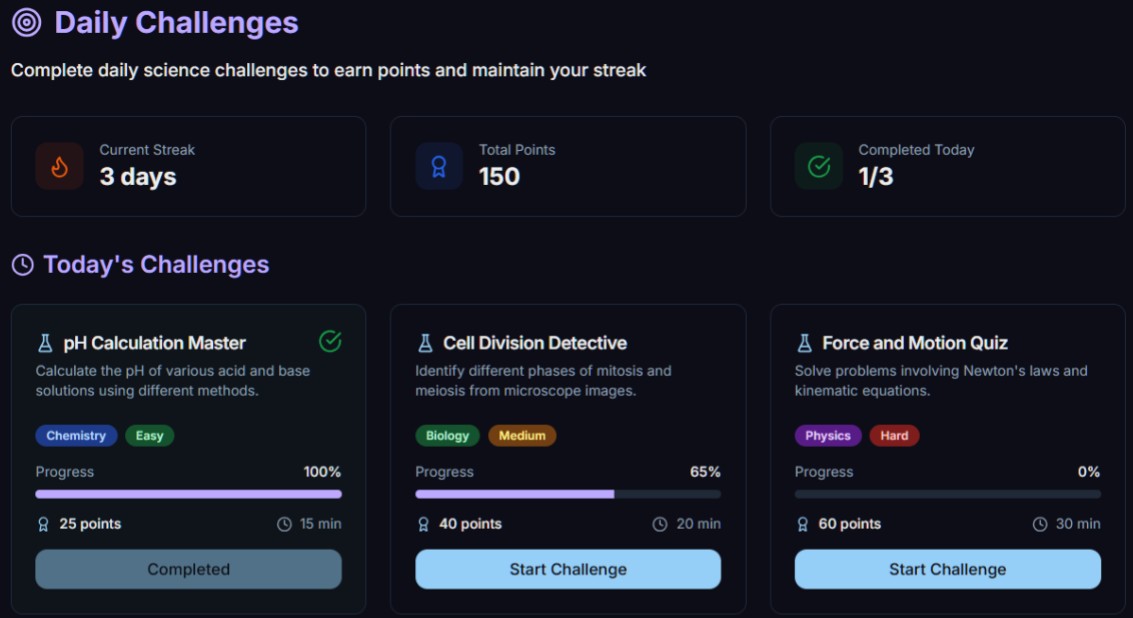
Gamification in education, applying game design elements to learning contexts, can increase student engagement by up to 48% when implemented thoughtfully (Sailer & Homner, 2023). However, poorly designed gamification often prioritizes superficial rewards over meaningful learning, creates unhealthy competition, or introduces monetization that creates pay-to-win dynamics. WhimsyLabs has pioneered a comprehensive, non-monetized gamification system that drives genuine engagement through intrinsic motivation while fostering school social networks rather than replacing them. Our approach combines points for assessments, personalized weekly recommendations, cosmetic rewards including WhimsyCat customization, lab personalization options, creative expression through our art department, and social features that encourage peer connection and support.
Continue reading "Gamification in Science: How WhimsyLabs Engages" →
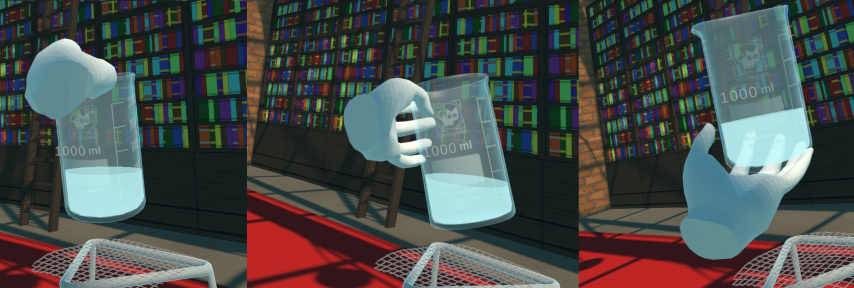
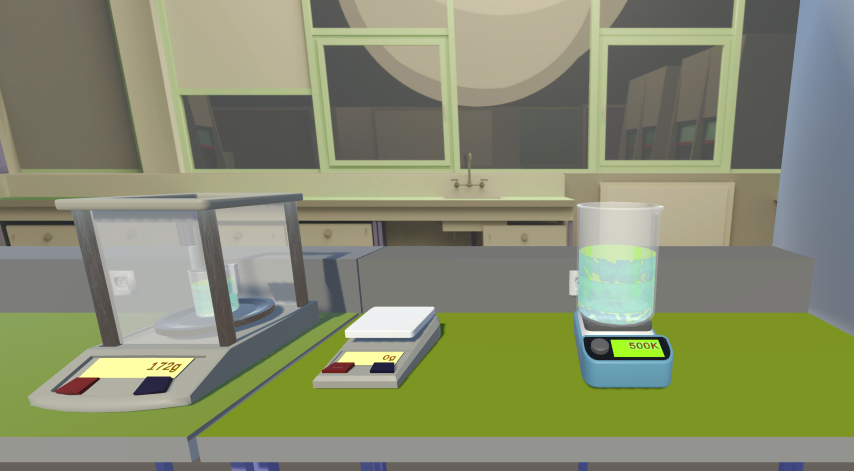
Traditional academic simulations run on supercomputers and require hours or days to model seconds of real-world chemical reactions (Foster & Kesselman, 2003). WhimsyLabs has achieved what competitors deemed impossible: real-time physics simulations running on basic consumer hardware that are sophisticated enough for genuine scientific learning yet optimized enough to feel responsive and fun. This technical breakthrough: combining computational fluid dynamics, molecular interaction modeling, and gaming engine optimization, is why WhimsyLabs is by far the most sophisticated virtual laboratory platform available, and critically, one students genuinely enjoy using.
Continue reading "Real-Time Physics in Virtual Labs: Making Learn..." →
A single traditional chemistry laboratory setup costs UK schools £25,000-£70,000 for initial equipment, with ongoing annual costs of £5,000-15,000 for consumables, maintenance, and safety compliance (CLEAPSS, 2024). A single fume cupboard alone costs £6,000-£8,300, while class sets of quality microscopes can exceed £5,000 (SLS Education, 2025). For under-resourced schools, these costs are prohibitive, and the situation is worsening. According to EngineeringUK research, 27% of UK science teachers report their schools cannot afford the equipment needed for practical lessons, while 26% say they simply don't have enough equipment (EngineeringUK, 2024). WhimsyLabs offers a transformative alternative: unlimited virtual laboratory access at a fraction of traditional costs. Critically, as an impact-focused company rather than a profit-driven company, our mission is democratizing STEM education worldwide, not maximizing shareholder returns. This comprehensive cost-benefit analysis demonstrates how virtual laboratories deliver superior educational and financial outcomes while advancing educational equity.
Continue reading "Virtual vs Physical Labs: A Cost-Benefit Analysis" →
WhimsyLabs offers a transformative solution to this sustainability challenge through our fully virtual laboratory platform. By eliminating the need for physical chemicals, single-use plastics, energy-intensive equipment, and hazardous waste disposal, our virtual labs dramatically reduce the environmental footprint of science education while maintaining, and in many ways exceeding, the educational effectiveness of traditional laboratories.
Continue reading "Green Labs: Virtual Labs for Sustainable STEM" →
WhimsyLabs has pioneered a fundamentally different approach to science education through our sandbox learning philosophy. Unlike conventional virtual labs that restrict students to predetermined pathways, our platform provides complete experimental freedom with infinite possible equipment permutations and unlimited procedural pathways. This open-ended environment allows students to design their own experiments, make authentic choices, and, most importantly, learn from their mistakes in a safe, consequence-free setting.
Continue reading "Sandbox Learning: Why Freedom to Fail Matters" →
WhimsyLabs addresses this challenge through WhimsyCat, the most sophisticated AI tutor in virtual laboratory education, delivering unparalleled personalized guidance, real-time feedback, and adaptive learning pathways. Unlike basic educational AI systems that simply answer questions, WhimsyCat represents a breakthrough in proactive learning support, actively monitoring student actions, predicting potential errors before they occur, and delivering contextual guidance with industry-leading precision.
Continue reading "Meet WhimsyCat: AI Tutor for Science Education" →
WhimsyLabs addresses this crisis through a groundbreaking virtual laboratory platform that combines advanced AI assessment tools, realistic physics simulations, and sandbox learning environments. Unlike traditional virtual labs that restrict students to predetermined pathways, our platform enables genuine discovery-based learning with complete experimental freedom. Research demonstrates that such interactive, three-dimensional learning environments significantly improve spatial understanding and long-term retention compared to traditional textbook-based approaches (Lewis et al., 2014).
Continue reading "AI-Powered Virtual Labs Solving the STEM Crisis" →
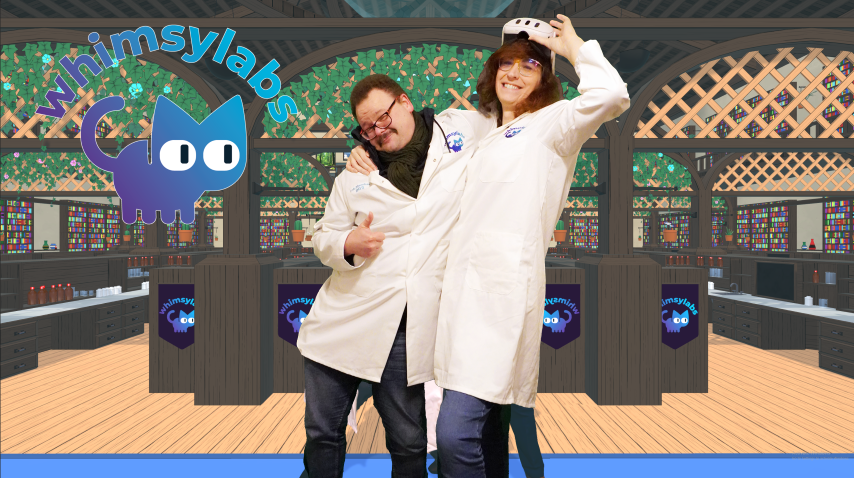
In 2023, the UK plummeted to 15th place in global science rankings (OECD, 2023), while the pandemic left millions of students worldwide without hands-on lab access for years (Grewenig et al., 2021). This perfect storm of declining STEM performance and infrastructure loss catalyzed the creation of Whimsylabs in 2020, founded by Marisa French during her Physics PhD. For Marisa, this crisis felt deeply personal; she had been inspired to pursue science through the hands-on practicals she experienced in secondary school, opportunities that were now disappearing for a new generation.
Continue reading "WhimsyLabs Story: From Startup to BETT 2025 Winner" →